







Samantha Wilcoxson Brings Forgotten Voices of History to Life
Exploring Lives, Illuminating History: Stories of Forgotten Figures
Samantha Wilcoxson delves into overlooked historical figures, blending meticulous research and emotive storytelling to connect readers with history through her captivating novels and non-fiction works, including influential women across eras.
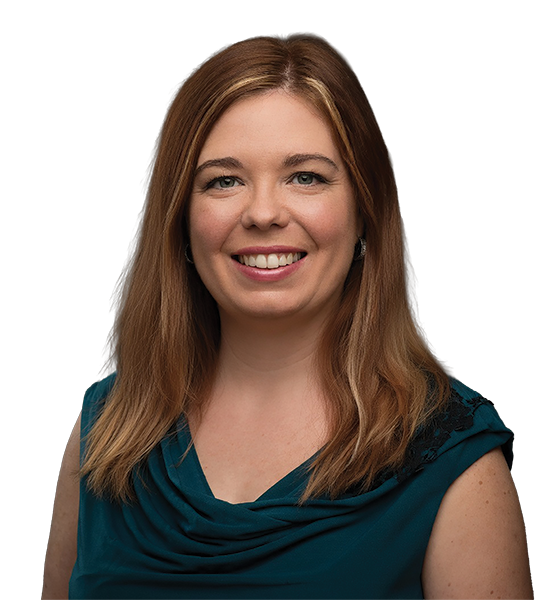
S amantha Wilcoxson is a truly remarkable voice in historical literature. With her unique ability to weave meticulous historical research into profoundly human storytelling, she brings to life figures often overshadowed by the annals of history. Her dedication to illuminating the stories of overlooked women and lesser-known historical figures creates a rich tapestry of perspective that resonates deeply with readers. From the Tudors to the Plantagenets and beyond, Samantha’s works allow us to connect with history in ways that feel intimate, vibrant, and powerfully relevant.
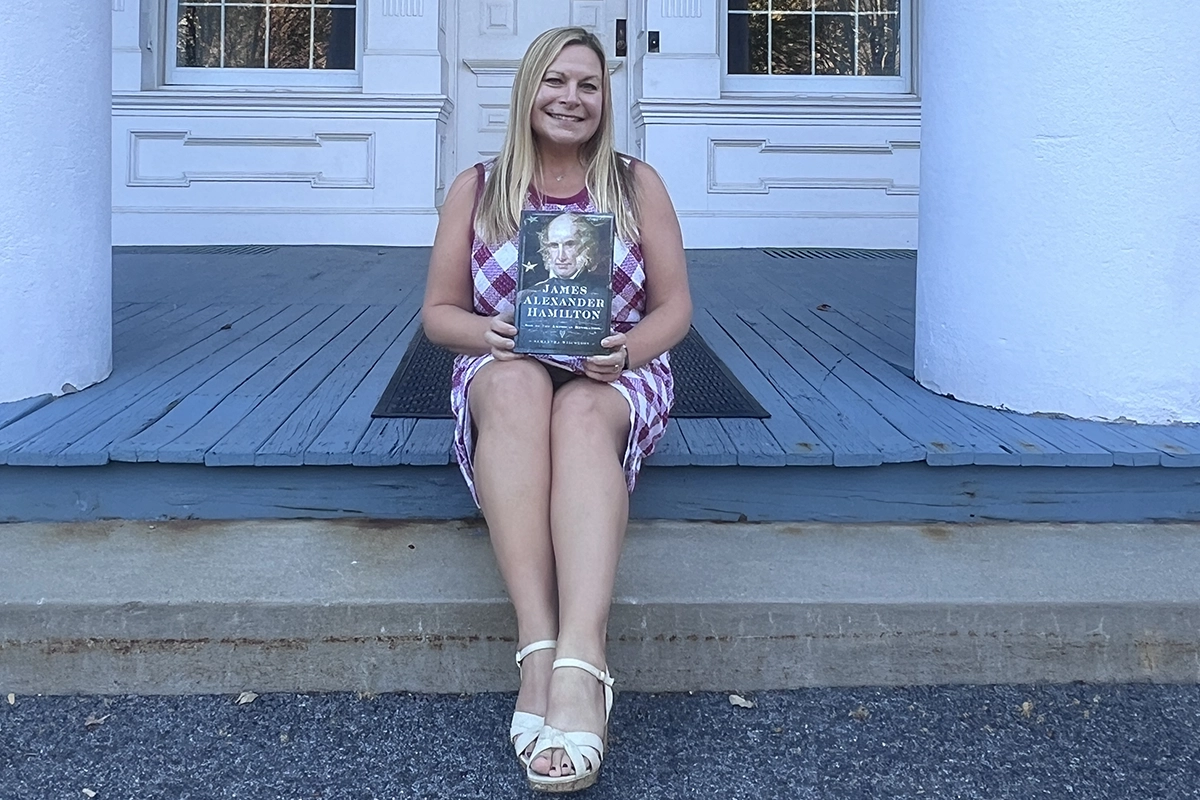
Her latest book, James Alexander Hamilton: Son of the American Revolution, delves into the 19th century of US history with the same attention to detail and emotional depth that has become her trademark. Whether exploring the life of Margaret Pole, unraveling the mysteries of the Wars of the Roses, or highlighting forgotten voices from pivotal moments in history, Samantha’s writings are both a tribute to the past and a gift to modern historical understanding. As she continues to craft her vivid accounts, her dedication to balancing historical accuracy with creative storytelling stands as an inspiration to aspiring authors everywhere. This interview offers us a valuable glimpse into her processes, passions, and the fascinating stories she so beautifully brings to life.
Samantha Wilcoxson masterfully balances historical accuracy with emotional depth, reviving overlooked figures and creating timeless connections for readers.
Highlights from the Interview:
- Passion for giving voice to overlooked women in history, like Elizabeth of York and Margaret Pole.
- Focuses on meticulous research and disclosing fictional elements to ensure authenticity.
- Revisits the Wars of the Roses and its intricate relationships in her upcoming trilogy.
- Uncovers fascinating historical facts like Reginald Pole nearly becoming pope in 1550.
- Emphasizes balance between historical truth and emotive storytelling.
- Encourages aspiring authors to embrace research, read voraciously, and join writing communities.
- Shares how her nonfiction work is “like being a detective” while fiction provides creative freedom to imagine personal details.
What inspired you to write about the lives of historical figures like Elizabeth of York and Margaret Pole?
I am captivated by the stories of women, who are so often overlooked in historical records, and I enjoy exploring their lives in order to bring them to the attention of my readers. Each of these women lived in times extraordinarily different than our own, but we can connect with them through universal themes of love, family, and faith. Like women of many eras, Elizabeth of York and Margaret Pole lived fascinating lives but are often overshadowed by the men making war around them.
How do you approach the balance between historical accuracy and creative storytelling in your works?
I strive to be as historically accurate as possible with the information available and only fill gaps where the true history is unknown. If I create a fictional storyline or character in a person’s story, it will be disclosed in my author’s note.
“Each of these women lived in times extraordinarily different than our own, but we connect with them through universal themes of love, family, and faith.”
– Samantha Wilcoxson
What drew you specifically to writing about the women of the Plantagenet and Tudor eras?
When I decided to try my hand at novel writing, I was in my Wars of the Roses era. It was almost all I read about, and I loved the idea of focusing on Elizabeth of York, who played such an important role in bridging the Plantagenet and Tudor dynasties. It was shocking to me that so little had been written about her, so I did my part to set that right. I had only intended Plantagenet Princess Tudor Queen as a stand-alone novel, but it led to a series. Now, I am writing about the Wars of the Roses again and am enjoying exploring the lives of women like Cecily Neville and Marguerite of Anjou, while also revisiting some of the women who I’ve written about previously, like Elizabeth Woodville and Anne Neville.
“Historical fun facts are my favorite part of research.”
– Samantha Wilcoxson
Can you share any surprising or little-known facts you uncovered while researching for your novels?
Historical fun facts are my favorite part of research. One that comes to mind is discovering that Reginald Pole, Margaret Pole’s son, was almost elected pope in 1550. He also had to evade assassins sent by Henry VIII because of his refusal to support Henry’s divorce from Katherine of Aragon.
Do you have a favourite character or historical figure among those you’ve written about?
That is a tough choice because I select each historical figure I write about because I feel some special connection to them. I could probably most relate to Catherine Wolfe Donohue in Luminous, but that may be partly because she is the one who lived closest to my own lifetime and not far from where I live. I often find that we share more in common with people of the past than we might believe.
What was the most challenging aspect of writing the Wars of the Roses trilogy?
Writing about an era with so many relationships and switching of sides is complicated, because we know what happened but we do not always know why. The work of the novelist is to portray historical figures in a realistic way with motivations and ambitions that make sense given what we know of them. Some important questions don’t have certain answers, notably the mystery of the Princes in the Tower, which need to be dealt with in a way that will be satisfying to readers while staying true to known aspects of history.
How do you feel your work contributes to modern understandings of history?
I like to think that I am contributing to modern understanding of history by writing about historical figures who have not necessarily been explored in previous works and helping my readers feel personally connected to people of the past in a way that surprises them.
Do you have a favourite historical site that you’ve visited as part of your writing research?
I’ve been very blessed to have had opportunities to visit dozens of historical sites, so I don’t think I can pick a favorite, but one that stands out related to my Wars of the Roses books is York. The Shambles, York Minster, the medieval city wall – so much of it is so unique and well preserved. We simply don’t have towns like it in the US! Visiting York helped me envision and accurately portray the 15th century in my writing.
How has writing nonfiction versus biographical fiction been different for you?
Writing nonfiction is interesting because I get to dig into primary sources and determine if there is support for some of the commonly held beliefs about people, and there’s always a chance to discover something new. In fiction, I enjoy thinking about what motivated people to do what they did and imagine the details of conversations and relationships. While both require research, the writing of fiction feels more emotive, while writing nonfiction is like being a detective digging for the truth.
What advice would you give to other authors who are interested in writing historical fiction?
Read voraciously. Travel as much as you can. Join groups of like-minded people for good discussion and be open to different points of view. Find a few good early readers and listen to their advice.
How important is it for authors to engage with historical research when writing about real historical events or people?
I would say it is absolutely vital to perform and enjoy historical research in order to write about real historical events and people. If you don’t like research, try another genre.
What guidance would you offer to new authors seeking publishers for their historical fiction or nonfiction works?
Explore small presses – not vanity presses, never pay to publish your work. Carefully consider contracts and consider whether the publisher has greater reach than you do on your own. Don’t be afraid to self-publish. My independently published work enabled me to earn writing contracts for later books.
Thank you for this opportunity to talk about my books and writing journey!