








S J Barratt Weaves Ecology and Myth into Gripping Children’s Adventures
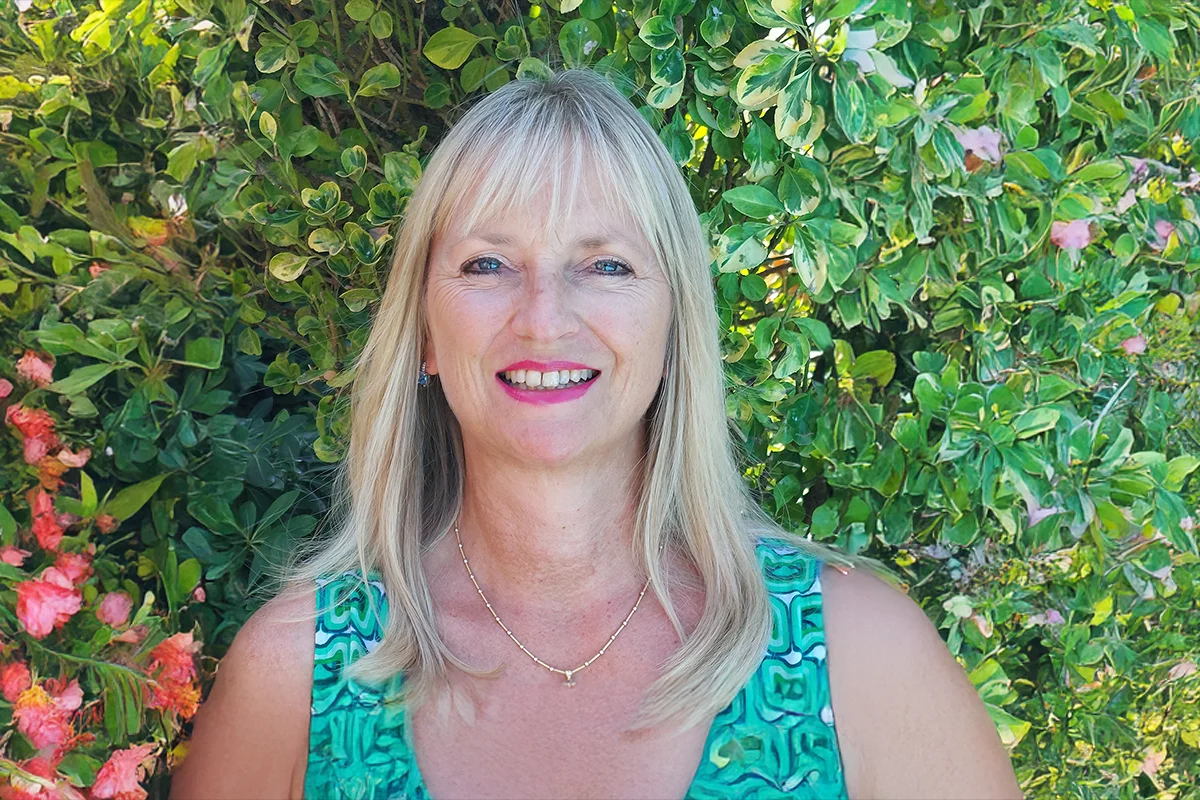
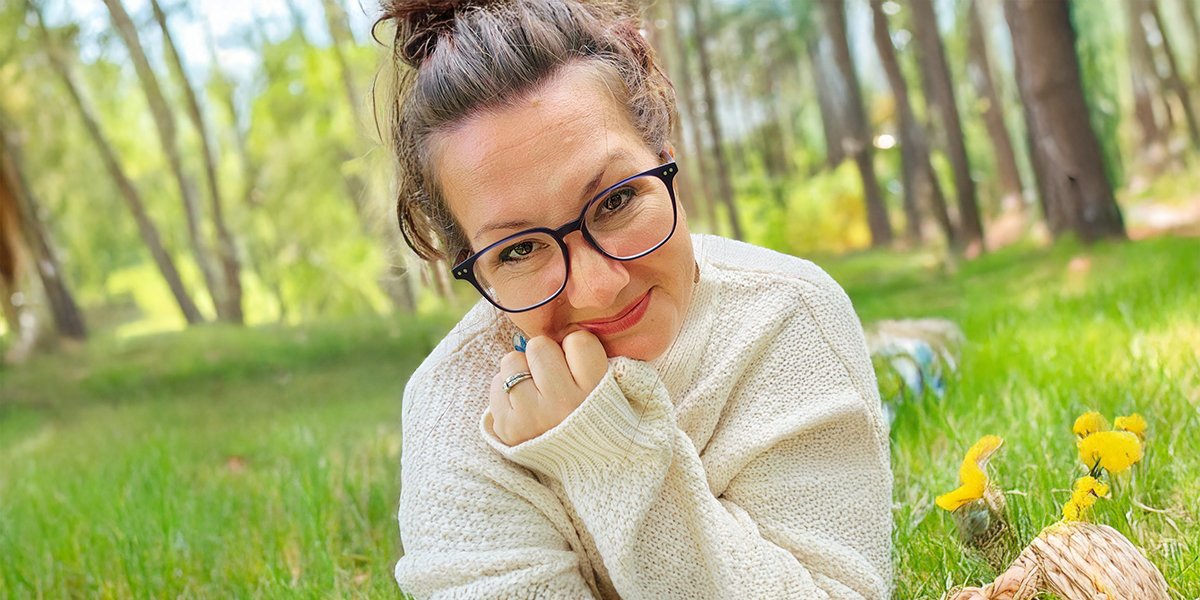
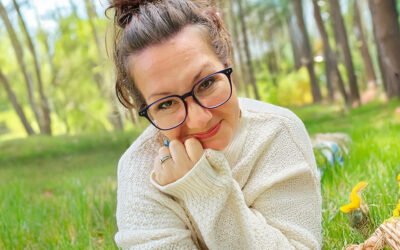
Photo: S J Barratt, award-winning author of the acclaimed Living at the Edge of the World series, shares her creative journey.
Exploring Nature, Myths, and Adventure in Middle-Grade Fiction
S J Barratt blends ecology, adventure, and mythology into her award-winning children’s series Living at the Edge of the World, inspiring curiosity, respect for nature, and a love of storytelling.
S . J. Barratt has firmly cemented herself as a captivating voice in contemporary children’s literature. Based in Lyon, France, she draws from her deep connection to sustainable agriculture and her appreciation for the natural world to craft stories that educate and inspire. Her award-winning middle-grade eco-fiction series, Living at the Edge of the World, is a masterful blend of ecology, adventure, and myth, set against the breathtaking landscapes of Scotland.
Barratt’s series debuted with Winter, a novel that immersed readers in the traditions of Shetland’s crofting culture. Its sequel, Spring, delved into archaeology and Viking legend. Both books have earned significant acclaim, with Winter winning a Silver Medal at BookFest 2024 for diversity in children’s literature and Barratt receiving recognition from the Literary Titan and other literary award circuits. The third installment, Summer, slated for release in summer 2026, promises to explore ocean pollution and Selkie legends, continuing Barratt’s tradition of blending compelling storytelling with real-world ecological themes.
S J Barratt is a masterful storyteller, combining science, myth, and nature to create thought-provoking and enchanting children’s tales.
“Having worked in agriculture for over 20 years, there are so many aspects of rural life I’d love young readers—and their parents—to better understand,” Barratt explains. Inspired by the remote Shetland island of Foula, home to just 30 residents, Barratt developed a story where the tension between isolation and belonging mirrors the challenges of living on the edge of the world in more ways than just geography. Through her protagonists, twins Tabitha and Timothy, Barratt explores these themes while providing laughs, adventure, and emotional depth for her readers.
Highlights from the Interview:
- S J Barratt is an author of award-winning children’s literature exploring ecology, adventure, and cultural diversity.
- Her middle-grade series Living at the Edge of the World is set in Shetland and inspired by crofting culture and Viking legend.
- Winter and Spring received widespread acclaim, including a Silver Medal from BookFest 2024 for diversity in children’s books.
- The upcoming book Summer (2026) will explore ocean pollution and the myth of Selkies.
The decision to set the series in Shetland allowed for the exploration of interconnected topics such as climate change, biodiversity, and cultural diversity. Barratt’s meticulous research, including consulting with a ranger from Foula, ensures the narratives remain authentic while weaving in her signature blend of science and myth. For example, in Spring, the twins discover a supposed Viking artifact while learning to cut peat—a practice that raises questions about sustainable traditions and the role of peatbogs as vital carbon sinks. “Agro-ecology is all about balance and protecting the environment while supporting farming communities,” says Barratt. “It’s a universal concept that’s just as relevant whether you’re in Scotland, France, or anywhere else in the world.”
Barratt’s stories are not only educational but resonate emotionally. Her characters are relatable and layered. On the one hand, there’s Tabitha with her fixation on social media and desire for online validation as an aspiring influencer. On the other, there’s Timothy—a walking encyclopedia lovingly nicknamed “Wiki-Tim,” who champions curiosity and nature. The siblings’ push-and-pull relationship offers humor and heart while highlighting opposing mindsets in today’s youth. “Tabitha’s journey isn’t about vilifying social media,” Barratt clarifies. “It’s about showing that real, face-to-face connections and time outdoors can be even more fulfilling.”
“Research deeply, reach out to experts, and stay open to inspiration—curiosity can transform any story into something truly meaningful.” – Barratt
Recognition for her work has been a confidence boost for Barratt, inspiring her to keep innovating while staying true to her message. “Winning my first award—a Silver Medal at BookFest—felt surreal,” she shares. “It reminded me that stories about cultural diversity and unique landscapes can resonate deeply.”
Barratt’s creations also celebrate hands-on learning, with activities woven into the narrative. A soil experiment featured in Spring, for instance, encourages children to explore how organic matter breaks down over time—a simple yet tangible way to engage with science. For Barratt, blending real-world education with adventure makes her writing process as enjoyable as it is enriching.
Currently working on Summer, the highly anticipated third book in the series, Barratt balances her writing with preparation for self-editing and collaboration with illustrator Jenny Nutbourne. As she delves into themes like ocean pollution and Scottish mythology’s Selkies—mystical sea creatures that are part seal and part human—her mornings are spent crafting fresh pages. “I write best early in the day,” she says. “Sometimes I’m propped up in bed with my laptop before the commotion of the day begins. For me, writing routines don’t have to be glamorous—they just have to work.”
For aspiring authors of middle-grade fiction looking to weave adventure, ecology, and myth into their writing, Barratt shares heartfelt advice: “Let curiosity lead the way. Research deeply, reach out to experts, and stay open to inspiration—whether it’s from a scientific article, a legend, or a single photograph. The more curious you are, the richer your story will become.”
S. J. Barratt’s work effortlessly transports readers to the windswept shores of Scotland while challenging young minds to engage with larger ideas about culture, identity, and the environment. As she continues her creative journey, one thing is certain—her stories will leave an enduring impact, inspiring curiosity and care for the natural world in the hearts of her readers.