









“Research Your Research”: David Philips Shares The Secret To Writing Exceptional and Gripping Stories

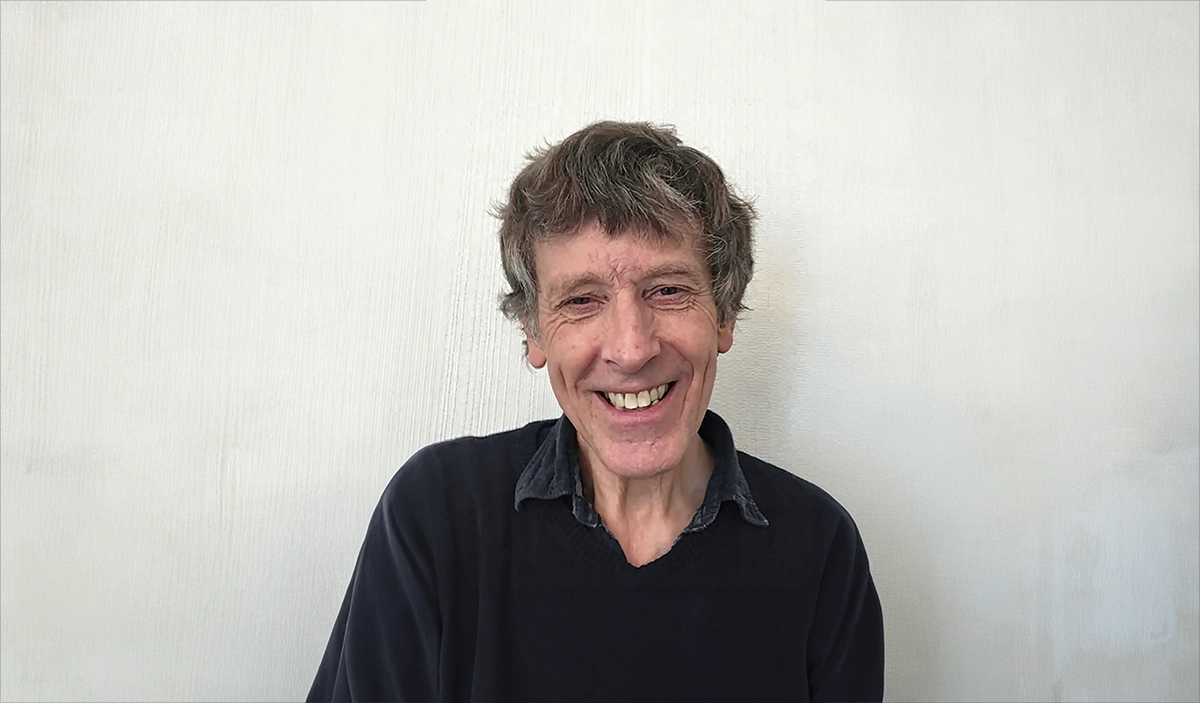
David Philips, the acclaimed author behind The Judas Conspiracy and The Finest Thread, shares his remarkable journey and creative inspirations.
Secrets, Stories, And Everything In Between
David Philips unveils his fascinating journey from a comedian to a celebrated author, sharing insights into crafting historical, horror, and conspiracy thrillers with humor, research, and authentic storytelling.
D avid Philips stands as a beacon of literary brilliance, a man whose career and passions have forged a fascinating life as colorful as the stories he pens. Born in Glasgow, Scotland, and now residing in Perth, Australia, David brings to the world of literature an unmatched blend of humor, history, intrigue, and imagination. Whether he’s dissecting conspiracies in the thrilling pages of The Judas Conspiracy or exploring humanity’s darker edges in his anthology of horror tales, The Finest Thread, David’s works are laced with a captivating blend of historical authenticity and boundless creativity.
With a background as varied and eclectic as his books, David’s inventive mind has been shaped by his time as a comedian, a folk musician, and even as one-half of a unique comedy act with his robotic counterpart, ‘Mr. Hairy.’ These experiences have undoubtedly fueled his ability to concoct dramatic, humorous, and provocative stories that keep readers on the edge of their seats.
David’s ability to weave intricate and suspenseful tales is complemented by his deep appreciation for researching the past, a trait influenced by his early love of uncovering the history behind Scotland’s traditional folk songs. Yet it’s not just historical fidelity that defines his writing—David excels in blending the thrill of imagination into his narratives, creating deeply engaging works that resonate with enthusiasts of conspiracy thrillers and historical fiction alike.
It is a privilege to share our conversation with an author who has not only mastered the art of storytelling but has also so generously opened the doors to his creative world. In this candid interview, David reveals the inspirations, influences, and challenges that have shaped his journey as a writer. Whether you’re intrigued by his enigmatic meeting with his former tutor that sparked The Judas Conspiracy, his tales of routing out truth in history and fiction, or his sage advice for aspiring authors, readers are sure to be inspired by his wit, wisdom, and passion for storytelling.
David Philips is a masterful storyteller, blending history and imagination to create captivating thrillers and compelling tales.
Highlights From The Interview
- David’s upbringing in Glasgow and its unexpected influence on his writing
- How a secret revealed by a tutor inspired The Judas Conspiracy
- Challenges of striking a balance between creativity and historical accuracy
- David’s unique comedy act with ‘Mr. Hairy,’ a robotic partner
- The importance of thorough research and cross-referencing sources as a writer
- Transitioning from Scottish folk music to writing suspenseful tales
- Advice for aspiring writers: perseverance and writing what you know
What inspired you to write conspiracy thrillers and historical fiction? How did your upbringing in Glasgow influence your writing style and themes?
My first published book, The Judas Conspiracy, is a semiautobiographical novel based on actual events in which I was involved as an adolescent. I thought these incidents would be interesting enough to turn into a novel, which I did. In doing research for this work, I came across some information unrelated to what I was writing, but interesting in its own right. Getting my first book published encouraged me to use this information to continue writing in the same genre.
If I’m to be truly honest, not much. The things that I got involved with could have occurred anywhere, but just happened to take place in my home city. I developed my themes after some encouraging reviews of my first book, and discovered that I actually enjoyed doing the research almost as much as I enjoyed the writing.
“I discovered that I actually enjoyed doing the research almost as much as I enjoyed the writing.”
– David Philips
Can you share more about your experience with ‘Mr. Hairy’ and how it shaped your creativity?
‘Mr. Hairy’ was a life-size electromechanical “puppet” that ‘played’ a (real) keyboard and moved in time to the music which was driven by cd discs concealed under the keyboard. It was also interactive, with me, hiding in plain sight, as the puppet’s voice using a hidden hand mic. The puppet could speak and interreact with its audience. Like most live performers, one had to be spontaneous and quick to respond with humour to whatever questions and comments were thrown at it. Surprisingly, I found that I had a natural talent for this, but how much this ability influenced my writing creativity is probably negligible, to be frank.
“The closer one writes to historical truth, the easier
it is to insert elements of fiction that give drama and depth.”
– David Philips
Why did you choose Perth, West Australia as your destination to emigrate?
This is my second marriage. When I met my wife, we were both still living in Glasgow, but her daughter was about to emigrate to Perth, WA. She told me that once she retired, she also intended to emigrate to be near her daughter and family, so if we were going to be together, it would probably be where we’ve both now been living very happily (so my wife tells me!) since 2009.
“Sometimes, these errors might be legitimate mistakes,
but on other occasions, they may be something more malicious.”
– David Philips
How do Scottish crime fiction authors like Ian Rankin influence your storytelling?
Ian Rankin and Craig Robertson are two of my favourite authors, but I cannot honestly say they have been an influence on my writing style. Their genre is mainly crime related, while my own writing preference is conspiracy thrillers, more in the style of Robert Ludlum and Robert Harris. I also learned to reference the verifiable facts in my novels by providing weblinks, from the Flashman books by George Macdonald Fraser. While these fabulous novels were written long before the advent of the internet, Fraser’s end notes provide an interesting glossary to his books, which are, like my own books, mainly works of fiction, his novels based on real-life characters and events from the Victorian era. I have just updated his way of providing explanatory notes.
Could you elaborate on how your meeting with your modern studies tutor influenced The Judas Conspiracy?
This would take too long to explain in the time and space allotted here. My
website, www.davidphilipsauthor.com provides a full record of this meeting and its aftermath. Briefly, we met by chance a couple of years after I left school, and over coffee, he divulged some information which shook me very badly at the time. How, where or when he ascertained these details I never discovered. Whether he meant to disclose this classified intelligence to me or whether it was an accidental slip, I have never been able to fathom out, but it provided the basis, along with my own adolescent experiences, for The Judas Conspiracy which I wrote many years later.
What challenges did you face while researching for your historical conspiracy novels?
I doubt I would have been able to write any of my books had it not been for the internet. This invention has made doing research far easier than it otherwise would have been. Most of the information I required is available online, and my only trouble was finding the sites that I needed. But even these websites were not too difficult to locate, however, there is one caveat that I discovered. There is virtually no policing on the internet, so anyone can publish anything as ‘fact’ without these ‘facts’ necessarily being verified. I did come across some websites which were of rather doubtful origin, and I would encourage anyone using the internet as I do, to verify anything that looks ‘off’. Sometimes, these errors might be only
legitimate mistakes, but on other occasions, perhaps they may be something more malicious. If in doubt, do due diligence, which means looking for more than one source. I’ve also seen the exact same information on different sites, word for word, even down to the same spelling errors! You need to do research for your research!
How does your interest in folk music and playing harmonica fit into your creative process?
Not much, really. I’ve been a ‘folkie’ almost all my life, having been introduced to the music at a very young age by my late father who was also a folk music lover, especially traditional Scottish folk music. Having said that, however, when I was in my teens, I used to research the origins of famous Scottish folk songs and even now, still have some books which give the details behind the composing of these lyrics. So maybe my interest in research comes from these far-off days!
Did writing horror fiction pose unique challenges compared to your novels?
Not really. I must have a rather morbid personality because most of these stories just seemed to naturally pop into my head. I don’t think I even had to do any research for any of them. Make of that what you will!
As someone who’s written multiple books, what advice would you give to aspiring authors trying to finish their first book?
I notice your question has been framed for someone who has at least started to write, rather than someone who is always ‘getting around to it one day’. My advice is simply to stick at it. You won’t feel like writing every day, and there’s nothing worse than trying to write when the ‘creative juices’ just aren’t flowing. As everyone says, write about what you know. In my case, I wrote my first novel from personal experiences, but if you have a particular talent or background, write about that. John Grisham was a lawyer before he became a best-selling author writing legal thrillers, and Dick Francis was a jockey who became a well-known
author writing horseracing novels.
How do you approach balancing creativity and historical accuracy in your writing?
Historical accuracy is extremely important within the context of the storyline. Obviously, there has to be a certain amount of literary license and creativity, otherwise all you’re writing is a non-fiction bio of your subject. I have found from my own experience that the closer one writes to historical truth, the easier it is to insert those elements of fiction that give drama and depth to the novel. The Flashman novels mentioned above are great examples of this.
What advice would you give to writers trying to break into niche genres like conspiracy thrillers? The same advice I’d give any prospective author. Know the genre you’re going to write in, then spend a few months reading books that have been written by successful authors in that genre. This is not to give anyone permission to plagiarise any work, as this action is morally, ethically and legally wrong and can land the author and the publisher in a great deal of trouble. What I mean by this is to read the works as a study on how to write in your genre, what works and what doesn’t, the pacing, the characters’ personalities, plot development and so on. What works well in one genre might not work as well in another.
Editor’s Highlight
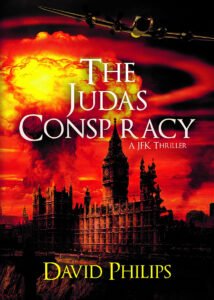
The Judas Conspiracy is a gripping blend of history, suspense, and intrigue, delivering a thrilling and unforgettable experience.
The Judas Conspiracy masterfully weaves historical intrigue, espionage, and suspense into a thrilling narrative. Inspired by true events, it explores JFK’s assassination through an original lens, crafting a gripping tale that spans decades. The story follows Sam Nathan, whose teenage prank spirals into a haunting chain of events linked to terrorism and a chilling Cold War secret. As a dying man in 2007, Sam races to reveal the truth while evading a vengeful assassin. This compelling novel captivates with its blend of history, mystery, and action, keeping readers riveted until its shocking conclusion. A must-read for thriller enthusiasts.