











Katie Cross Explores Magic, Nature, And Resilience In Her Captivating Stories
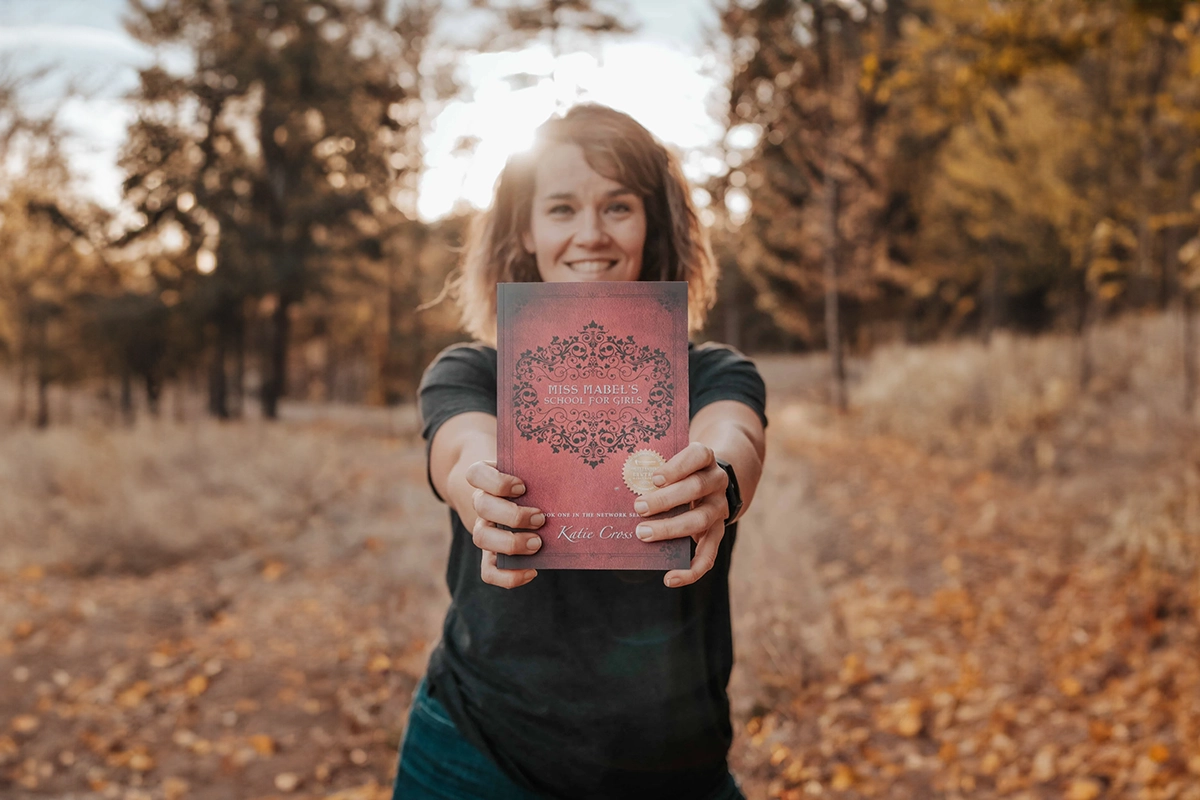
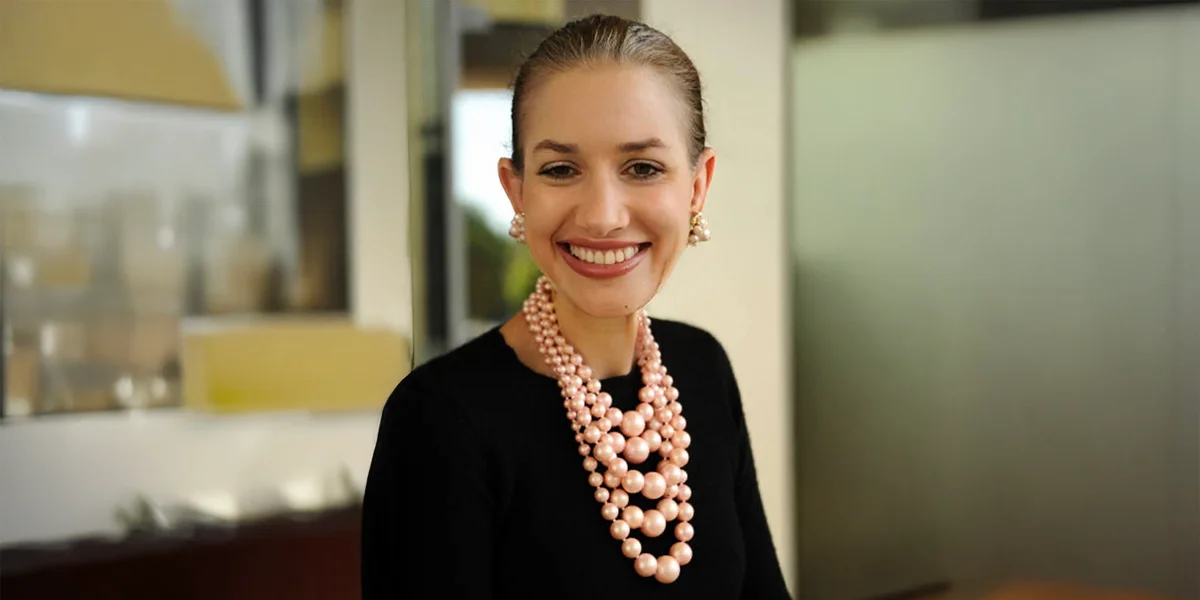
Photo: Author Katie Cross, known for her captivating blend of magic and nature, inspires readers with her imaginative storytelling and resilient characters.
An Insightful Conversation About Themes Of Growth And Adaptation In Fiction
Katie Cross discusses her connection to nature, the intertwining of magic and biology in her books, and her characters’ journeys of growth and resilience.
K atie Cross embodies the essence of modern fantasy and romance literature, crafting enchanting worlds that resonate deeply with her readers. With a profound connection to the natural landscapes of her Idaho upbringing, she skillfully weaves elements of biology, ecology, and magic together, creating richly layered narratives that reflect both personal growth and the timeless beauty of the environment.
Her works, including the beloved Miss Mabel’s School for Girls and the Coffee Shop Series, not only entertain but also invite readers to explore themes of resilience, adaptation, and the intricate relationships between humans and nature. Each character’s journey mirrors natural processes, offering a poignant reflection on the strength and determination found in the wild world around us.
In this exclusive interview with Novelist Post, Cross delves into her creative process, sharing insights into how her upbringing shapes her storytelling. Her passion for blending magic with realism shines through, as she discusses the profound impact of nature on her characters and the metaphors that enrich her narratives. Aspiring authors will find inspiration in her dedication to the craft and her thoughtful approach to integrating personal values into storytelling.
Katie Cross masterfully blends enchanting storytelling with deep themes, captivating readers with her unique perspectives on nature and personal growth.
Join us as we explore the mind of Katie Cross—a true literary talent whose work continues to enchant and inspire readers seeking both adventure and contemplation in their literary journeys.
Many of your stories are set in lush, natural, mountain environments. How has your upbringing in Idaho influenced the way you portray nature, both on a biological and symbolic level in your books?
Growing up in wild, magical places meant all my best dreams happen out in the big world! I created a fantasy world akin to the gorgeous world we live in every day—and that is so cool. I did that because it creates a real sense of escapism that I—and my readers—seek in our books. We want to be in our world, but a magical version of it.
In Miss Mabel’s School for Girls, magic often intersects with potions, plants, and natural elements. Did you draw any inspiration from real-world biology, herbal medicine, or ecological systems when building the magical world?
For sure! Many times, a question about specific ingredients, herbal remedies, or other ideas spurs a type of potion, the way magic interacts with other things, and the way the fantasy world presents. One of my readers sends me ideas for Apothecary-like tinctures or healing ideas (and even sends me those tinctures herself!), and I take the idea for things like healing oils from real world essential oils.
Your characters often undergo tremendous growth, much like living organisms adapting to their environments. How intentional are you about weaving biological or natural-growth metaphors into your narratives?
When it comes to the metaphors, it entirely depends on context and what’s happening in the narrative. My character, Bianca, has a magical connection with the forest in which she leaves, so their growth often parallels and aids each other.
Coffee is deeply rooted in plant biology and agriculture. When writing Coffee Shop Girl, did you explore the origins of coffee beans, farming, or sustainability practices, and if so, did that influence your storytelling?
I didn’t! But what a brilliant idea to align closer to the narrative. I did have to study the way a coffee shop runs more deeply, and have readers go through it to make sure they way I presented it worked for a real life situation.
If you could integrate one biological phenomenon (like photosynthesis, symbiosis, or adaptation) as a magical system in a fantasy book, which one would you choose and why?
What a fun question! Definitely adaptation, simply because it unlocks a world of possibilities around anything we currently live with adapting, based on magical rules, to whatever situation they’re put into. That’s a microcosm of fiction, itself.
Both series (Coffee Shop Series and The Network Series) explore resilience under pressure. Do you see parallels between human resilience and the resilience found in ecosystems or biological systems?
Definitely, which is why it’s so important we align closely with nature. There is so much for us to learn about ourselves as we study the world around us and the way it works. There’s untapped magic there, for sure.
How do you balance scientific accuracy (whether in magical systems or everyday life details) with the creative freedom of storytelling?
Because I write in a fantasy world, I don’t have the same pressure for scientific accuracy that science fiction writers might encounter—in fact, it’s part of the reason I write fantasy. It allows me the freedom of magic to create whatever I want without the rigid bounds of explanations. That being said, I try to stay within the constraints of the fantasy system itself, which can be almost as rigid as scientific rules.
Many readers describe your heroines as determined and adaptable. Which concepts from biology—like evolution, survival, or even cellular regeneration—do you feel best capture the journeys of your main characters?
Survival, for sure. (Though we can’t discount the power of regeneration as a theme!) Which is a step beyond simply adapting. To achieve the high stakes that my characters grow from and my readers like to embark on a journey with, it has to be about survival. Life-or-death stakes is what really draws us in. We want to see what that person, in those situations, will do.
If Miss Mabel’s School for Girls were real, what kind of biology-related class would you love to see Bianca and her peers take, and how would it tie into magic?
Potions, for sure! The way that different plants interact with each other, the way they come together to greater a better sum total to serve the world, is such a fascinating concept. Though, she could really use an advanced gardening or Herbology class, too. Because she’s connected to her forest (quite literally—she hears the trees voices as the books go on) she could use anything to help her better understand growing things, like Botany!
As both a successful fantasy and romance author, what has your personal journey taught you, and what advice do you have for emerging authors who want to blend passion, personal values, and storytelling into a lasting career?
My success largely stems from my loyalty to story and my love for the words themselves. When marketing, business, and other aspects of the career path are overwhelming, I have my favorite part to return to—the words themselves. Focus on the words, and you’ll always be doing what you love.
Editor’s Note
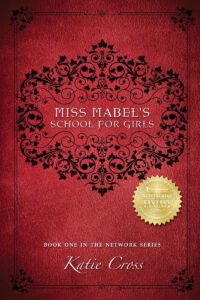
Miss Mabel’s School for Girls by Katie Cross masterfully introduces readers to a captivating world of magic and mystery. The story follows sixteen-year-old Bianca Monroe, whose determination to break a deadly curse leads her to the enigmatic Miss Mabel’s School. Cross’s vivid descriptions bring the forest of Letum Wood to life, immersing listeners in a gripping tale filled with dark magic and suspense. Bianca’s journey is both thrilling and relatable, making it a must-listen for fantasy enthusiasts. This unabridged book is a delightful start to The Network Series that will leave you eager for more.