












K.E. Woodruff Shares Stories of Shadows and Redemption
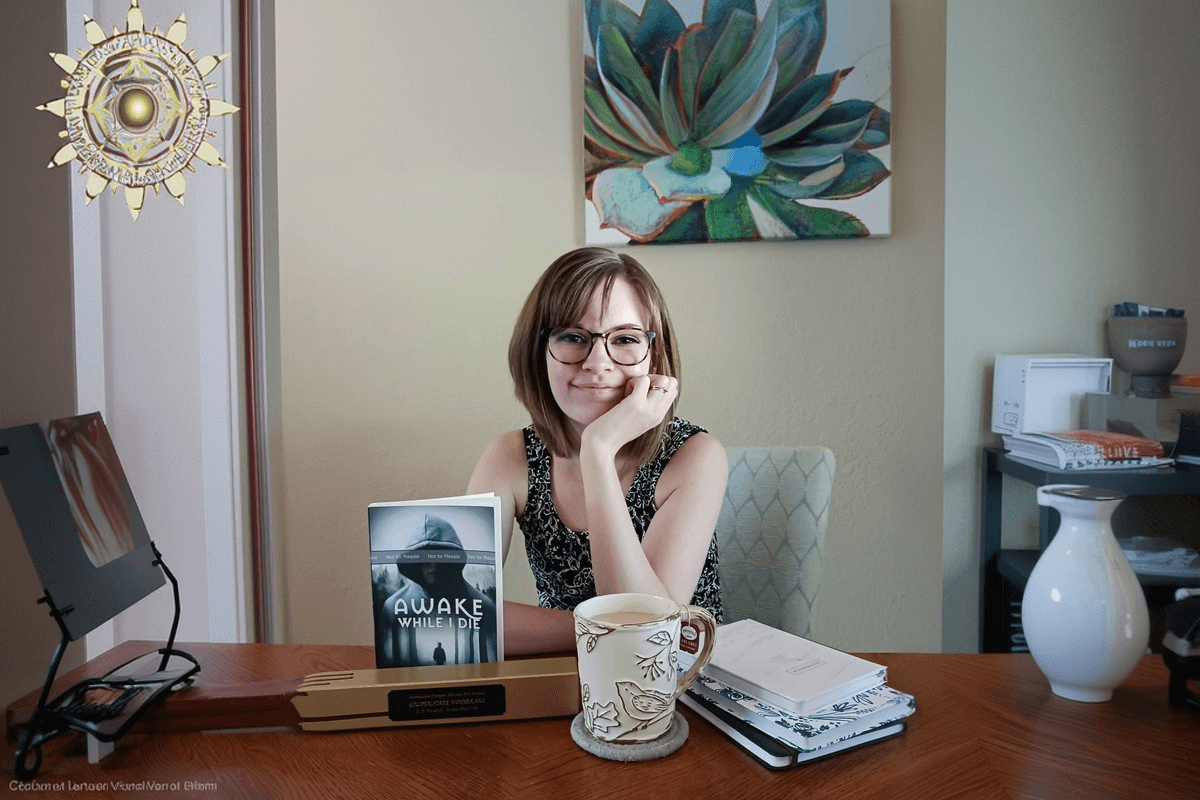
PHOTO: K.E. Woodruff, author of Awake While I Die, crafting stories where the supernatural collides with deeply human struggles.
Exploring Darkness, Hope, And The Journey To Redemption
Award-winning author K.E. Woodruff discusses her novel Awake While I Die, blending deep emotional themes with supernatural elements while balancing dark themes with hope, relationships, and profound moments of personal growth.
K.E. Woodruff has captivated readers with her debut novel, Awake While I Die, a compelling tale that intricately weaves despair and hope into a powerful redemption arc. Based in Alabama and living amidst the joyful chaos of family life, Woodruff has a gift for storytelling that delves deep into the shadows to illuminate the faintest glimmers of light.
With Awake While I Die, Woodruff takes readers on an emotional journey through the eyes of protagonist Jason Harper. Far from a traditional vampire tale, the novel invites readers to see beyond the monstrous facade and into the soul of a character grappling with grief, regret, and a longing for purpose. Woodruff’s work elevates supernatural narratives by imbuing them with contemporary struggles, offering a universal relatability that resonates deeply with her audience.
K.E. Woodruff masterfully blends complex characters and dark themes with hope, creating stories that resonate long after the final page is turned.
The genesis of Jason Harper’s story came to Woodruff through a vivid image: a person walking into the woods and being attacked. From that starting point, she developed a story centering on a suicidal boy who finds his life irreversibly changed by an encounter with vampires. Explaining her inspiration, Woodruff shared, “Awake While I Die isn’t just another vampire story; ultimately, it is a redemption arc, and one that I hope inspires readers to find a way forward beyond their own personal darkness.”
For Woodruff, one of the most challenging aspects of storytelling lies in balancing dark themes with moments of levity and hope. She describes the novel’s difficult thematic elements, such as depression and suicide, and how they are counterbalanced by Jason’s evolving relationships—friendships, love, and a mentor who becomes a father figure. These emotional connections make the protagonist more human, transforming the story into something deeply reflective and uplifting. “As much as I enjoy dark themes, I feel that it is necessary to balance out the gravitas with the promise of hope, a sweet exchange, or a moment of laughter,” she said.
Woodruff’s writing process exemplifies her organic, intuitive style. Identifying as a “pantser,” she allows the story to unfold naturally alongside her characters. To stay productive, she avoids starting with a blank page by keeping a collection of notes, ideas, and snippets of dialogue that spark creativity. “Making notes on my phone or jotting down an idea in a notebook before I sit down to write helps tremendously. If I can have an opening line, a scene idea, or some conversation between two characters, I can move forward,” Woodruff explained.
Managing a demanding writing career alongside the responsibilities of family life requires exceptional discipline. A mother of young children, a pet owner, and a busy creator, Woodruff embraces late-night writing sessions or carves out quiet moments whenever possible. “Life is full of noise and chaos and messes right now, but there is also a quiet moment at the end of each day that I am able to write a few words if I am willing to look for it,” she shared.
The mythology of Awake While I Die pays homage to classic vampire lore, including influential works like Bram Stoker’s Dracula and the 2004 film Van Helsing. However, Woodruff incorporates her own creative twist, allowing her vampires to transform into shadowy creatures as they lose their humanity through feeding. This duality underscores the novel’s central themes, and the introduction of a structured vampire Council adds an intriguing layer of order and conflict to the supernatural world.
Looking ahead, Woodruff is working on several projects, including a young adult paranormal/psychological thriller featuring a mysterious swamp-side house, a cursed family, and an unreliable narrator. Currently in its second round of edits, she hints that this new story combines suspense with gothic undertones.
Drawing from her own writing journey, Woodruff offers aspiring authors invaluable advice: read extensively and critically. She emphasizes the importance of analyzing both beloved and disliked works to understand what makes stories resonate—or fall flat. “Bad stories are the best teachers,” she noted, urging writers to learn from them and explore how they would improve upon weaker narratives.
K.E. Woodruff’s ability to traverse complex emotional terrains while spinning captivating tales makes her a singular voice in contemporary fiction. Her work reminds readers that even in the darkest moments, there is always a flicker of hope to guide the way forward. Through her novels, Woodruff continues to bridge fantasy and reality, telling stories where redemption reigns and the human spirit endures.
Source: Reader’s House Magazine