









Maria Spotlight Bennet Redefines Dark Fantasy With Myth, Monsters, and Emotionally Haunted Worlds
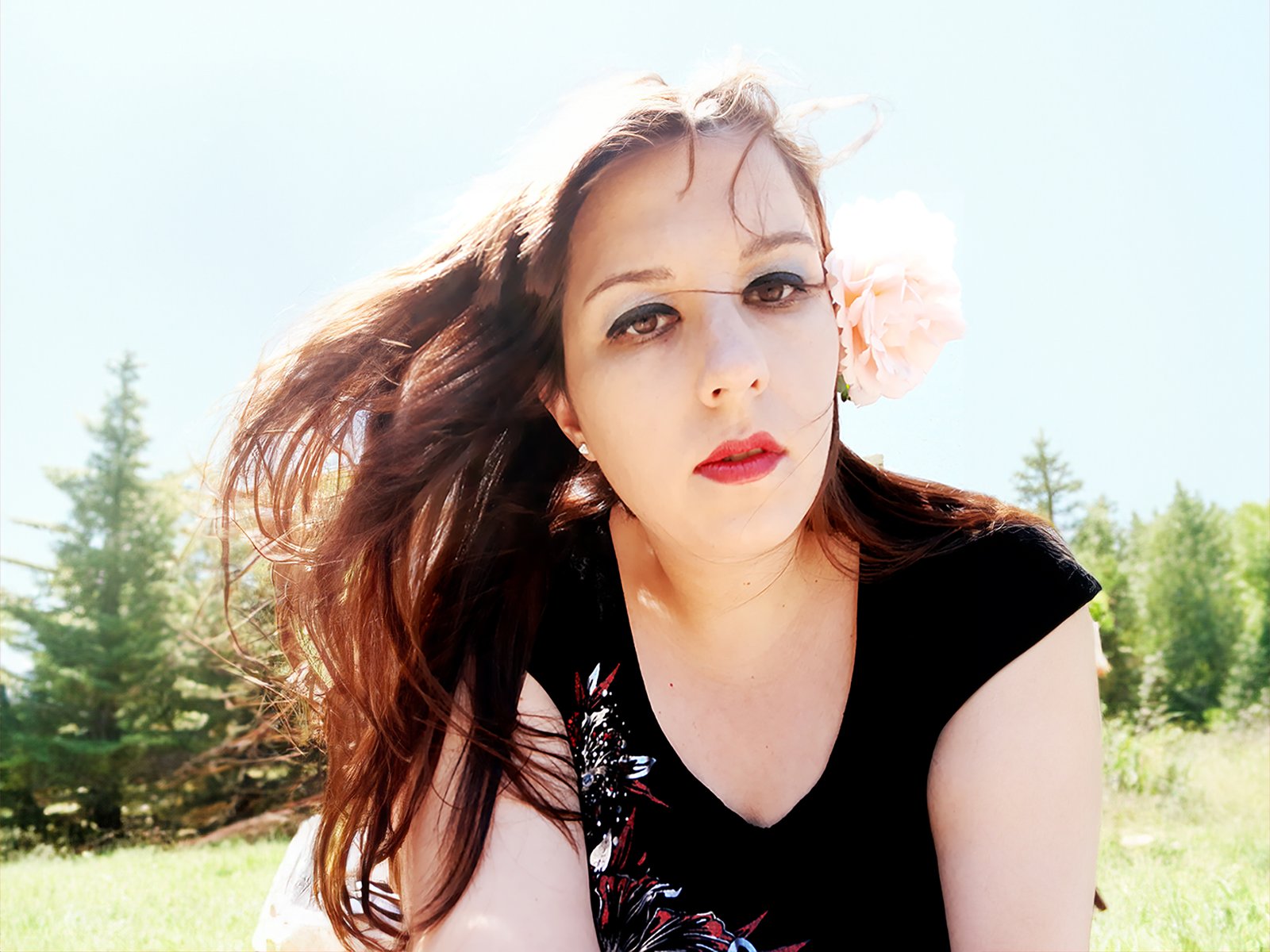
Author Maria Spotlight Bennet, acclaimed dark fantasy writer, known for myth-inspired worlds, emotional storytelling, and atmospheric supernatural fiction.
Myths Reimagined Across Dark Fantasy Realms
Maria Spotlight Bennet discusses her dark fantasy universe, exploring Lilith’s myth, character depth, world-building, and genre versatility, blending folklore, emotional storytelling, and age-appropriate horror for diverse readerships.
M aria Spotlight Bennet stands as one of contemporary dark fantasy’s most compelling and emotionally precise voices, an author whose work consistently lingers in the mind long after the final page is turned. Since beginning her independent publishing journey in 2016, she has built an expansive body of work defined by atmospheric intensity, mythological resonance, and an unflinching focus on characters who are fractured, morally complex, and profoundly human beneath their supernatural edges. From the haunted origins of Lilith to the evolving tapestry of her vampire, witch, and werewolf sagas, Bennet’s fiction thrives in the tension between darkness and transformation.
Her novels are not merely exercises in world-building but carefully layered explorations of identity, exile, and power, often rooted in myth yet reshaped through a distinctly modern lens. Whether she is reimagining ancient figures like Lilith as symbols of defiance and emancipation, or guiding younger readers through the playful shadows of Geisterstunde, Bennet demonstrates a rare versatility that never compromises her signature atmospheric depth. The Black Forest—both literal and symbolic—echoes throughout her work as a space where legend and emotion intertwine, grounding her fantastical universes in a sense of lived, textured reality.
What makes Bennet’s storytelling particularly striking is her ability to balance grandeur with intimacy: apocalyptic falls from paradise sit alongside deeply personal journeys of self-definition, and sprawling supernatural histories are anchored by the emotional truth of her characters’ choices. It is this balance that has secured her growing readership and critical attention alike. In the following interview, Bennet offers insight into the mythic inspirations, creative discipline, and genre-spanning instincts that continue to shape her evolving literary universe.
What initially drew you to the figure of Lilith as a protagonist for a reimagining of the creation myth?
I had heard of Lilith before. I don’t remember exactly where, but I still recall that she is often regarded as the mother of demons. When I first began creating my own dark fantasy world, Lilith was just a vague notion. But little by little, she took shape, and it became clear to me that this character deserved her own story from me. She is highly interesting, and it is precisely because there are so many myths revolving around her that her story can be told in different ways.
In your writing, how do you balance the dark, hellish atmosphere of Lilith’s journey with her personal growth and quest for freedom?
When readers pick up my book *Lilith*, they’ll quickly realize that Lilith is different from her successor, Eve, right from the start. And like any story, it takes time to unfold. It’s important to me that the reader isn’t, for example, thrown from one fight scene into the next. As I write, I can sense when it’s time to change the setting. That’s why I gave Lilith time outside of Hell. But Hell is still a central element in my story. In my opinion, however, a story only comes to life when it has different settings. In Lilith’s case, first Paradise, then Hell, and finally the desert. It’s a balance that must be handled skillfully.
What inspired the specific dynamic between Lilith and Lucifer in your debut novel?
What the two definitely have in common is their downfall. Lucifer was cast out of heaven, and Lilith was cast out of paradise. Furthermore, they’re both arrogant—at least Lilith shares this trait with him at the beginning. Lucifer needs a worthy opponent, someone who can put him in his place. I would definitely say that feminism inspired me a bit here as well. Women who know what they want without coming across as too cold. Lilith is, after all, considered a symbol of female emancipation. She literally goes through hell, makes so many sacrifices, and is a spiritual guide for many women today.
How do you approach the transition from writing mature fantasy like Lilith to writing child-friendly horror stories for Geisterstunde?
It’s really quite simple. I don’t limit myself to just one specific genre. If I feel that a story is worth telling, then I write it. I have two children of my own, which is why I wrote a children’s book filled with spooky stories. I want to introduce even the youngest readers to this special world without traumatizing them. And to be honest, it’s not really that big of a step. You just have to write it in a way that’s appropriate for kids—without blood, horror, or anything else that might be off-putting. I think I’ve struck a good balance there.
What is your process for ensuring the scares in your children’s fiction remain spooky yet age-appropriate for readers over eight?
Of course, it’s okay for it to be a little spooky, because I think brave readers will enjoy that. I loved the Goosebumps series when I was younger, and I still do. Those are exactly the things that define me today. My son has already read the book several times, and he told me it’s scary, but it’s also fun to read. By the way, my book Geisterstunde is illustrated so that children’s eyes can marvel at it despite the scares. I know firsthand what works and what doesn’t at that age, precisely because I have children.
How has the lore of vampires and werewolves evolved in your mind between the publication of The Night is Ours and your more recent works?
My world of vampires, witches, and werewolves is very complex. It has already given me quite a headache, and I’ve invested countless hours in it. I didn’t write the books in chronological order. First came the basic idea. But I quickly realized that this universe holds so much that remains to be discovered—or rather, so many branches whose stories still need to be told. There are now six books, and I’m already realizing that another one needs to be written. But in the meantime, the vampires and werewolves became less tangible to me, which is why I turned my attention to other projects, like the Gargoyles.
In the world of Larissa and Tim, what was the most challenging aspect of building a society where the supernatural dynasties had already fallen?
It was clear to me that after Volume 1, nothing could remain the same. Tim and Larissa were now in the modern era. In an era when vampires were considered pure myth. Technology they hadn’t known before came to light. But they certainly wouldn’t have survived the centuries if they hadn’t mastered this hurdle as well. So the past receded into the background and existed more as a fractured element within the story. But of course, from then on, their social life was bound to a life of constant hiding. They no longer had the power of the witches at their disposal, and Larissa didn’t know how far her powers extended. So Larissa and her pack had to go into hiding, even though they’d previously had normal jobs.
To what extent do German folklore and local legends influence the settings and creatures in your stories?
It has a big influence on me. Where I live was the primary inspiration for the books. After all, the Black Forest serves as the setting for the first book. I modeled the home of vampires, werewolves, and witches on my own hometown, with a few changes, of course. Later on, I also drew on other myths and incorporated them into the story.
When writing about characters like Larissa who return from a mortal shell, how do you explore the theme of identity after such a transformation?
It wasn’t so much about rediscovering her identity, since Larissa’s soul had been slumbering in a human body the whole time. It was more of a “I have risen from the dead” moment. Her identity and all the traits that define her become very clear in Part 1. So I didn’t necessarily have to deal with that. This is later confirmed when Larissa makes it clear to her husband Martin that the years of her death have in no way changed her essence.
Can you tell us about the research or mythological sources you consulted to bring the mother of demons to life?
Of course, I explored the figure of Lilith, but I interpreted her in my own way. There were certain elements I didn’t want to leave out, such as Lucifer’s fall. Since I’m interested in the occult, I already knew quite a bit, but I had to look up other things online. That’s where I expanded my knowledge of demons.
What are your top three technical writing tips for aspiring authors looking to improve their world-building or character development?
Before you even start writing, it’s a good idea to outline the basic structure. What do I want to write about? What time period? What genre? How many characters should there be, and what are their names? It’s also worth sharing posts on social media even before publication. This way, readers will take notice of you, and you can build your fan base. And finally, it’s absurd to believe you don’t have to invest money in your book to be successful, because that’s simply a lie. The internet is vast, and the competition never sleeps. Those who don’t invest—both time and money—will fall behind.
What advice would you give to aspiring authors who are trying to find their unique voice across multiple different genres?
Stay true to yourselves. Write from the heart and in whatever way you feel is right. There are readers out there for whom you are exactly what they’ve always been looking for.