











A Team Of Ordinary People Can Rise To Extraordinary Challenges Says Edward Hochsmann
 Screenshot
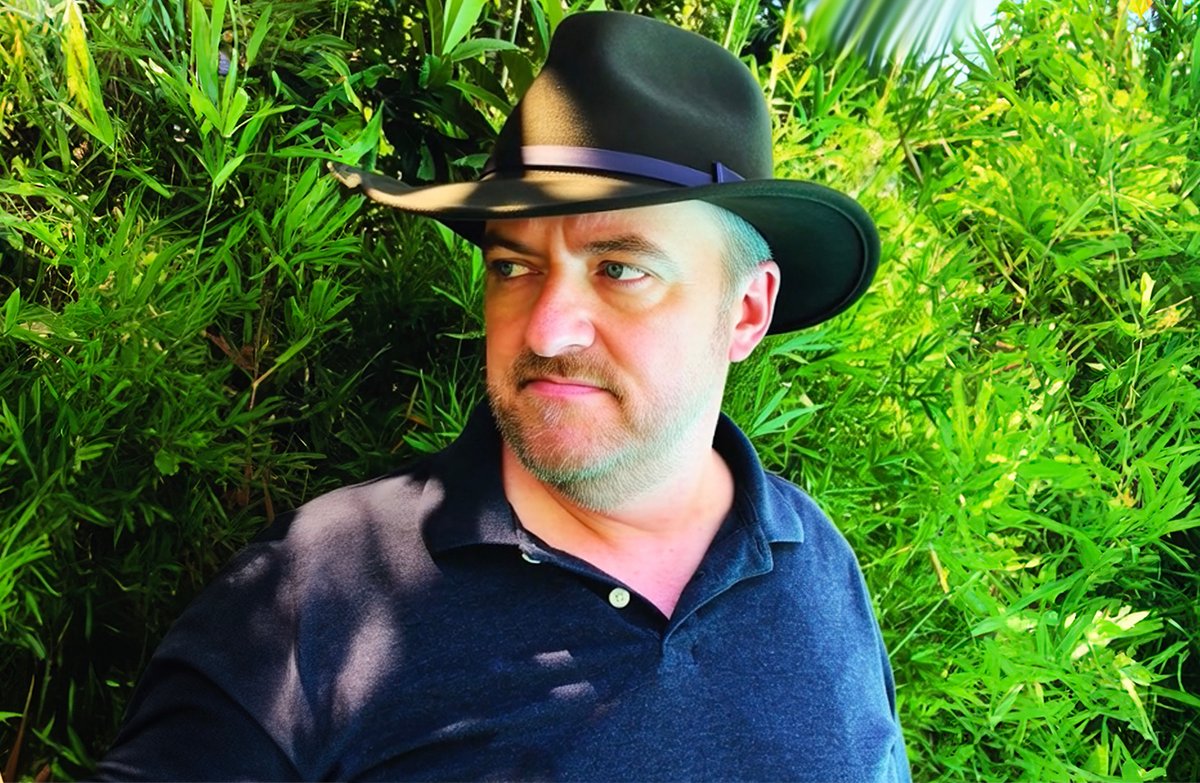
Photo: Edward Hochsmann, former Coast Guard officer turned novelist, delivers gripping maritime adventures with authenticity, heart, and action-packed storytelling.
From Coast Guard Command To Thrilling Fiction
Edward Hochsmann discusses his journey from a Coast Guard career to writing maritime thrillers, sharing insights on character development, authenticity, and the power of teamwork in achieving the extraordinary.
E dward Hochsmann, a celebrated author, shares his remarkable journey from a distinguished career in the United States Coast Guard to becoming a renowned writer of maritime adventure novels. With extensive experience in maritime operations, search-and-rescue missions, and law enforcement, Hochsmann has masterfully woven his real-life adventures into the gripping fictional narratives of his Cutter Kauai Sea Adventures series. Since launching his fiction career in 2022 with the release of Dagger Quest, he has enthralled readers with action-packed stories that emphasize authenticity, camaraderie, and courage.
In this interview, Hochsmann provides a glimpse into his creative process, his techniques for crafting characters that feel real, and the challenges he faced balancing a demanding career with his passion for storytelling. This inspiring conversation not only reveals the fascinating transition he made into the literary world but also explores his belief that ordinary individuals can achieve extraordinary feats through teamwork and resilience. A must-read for aspiring authors and fans of adventure fiction alike.
Edward Hochsmann weaves his real-life maritime expertise into compelling adventure novels, inspiring readers with thrilling stories and relatable characters.
What inspired you to start writing sea adventure novels after your extensive career in the U.S. Coast Guard?
In my career as an analyst, I had to write many technical reports. I developed a style of writing these designed to hold the interest of non-experts, which made each seem like a story. Many people noticed this and suggested I might be successful at fiction. When COVID closed everything down, I found myself with a lot of time on my hands and thought it was now or never. So, in a sense, my experiences in the Coast Guard inspired my writing, and the COVID pandemic triggered it.
How do you draw upon your real-life experiences to craft the exciting stories in the Cutter Kauai Sea Adventures series?
Mainly in the particular viewpoints and banter you find in a typical Coast Guard crew. I also draw upon some of the emotions I felt during some stressful times on active duty. For instance, the experience of the father of the young family during the hurricane rescue at the beginning of Bravely and Faithfully is inspired by a real-life event: my prize crew and I were “rescued” in the same manner by our escorting cutter when the seized drug boat we were riding broke up in a severe storm off of Cuba.
What research goes into accurately portraying the military and maritime elements in your novels?
I consult several different sources for any weapon system, sensors, or vehicle I include in a story to make sure what I write conforms to real-world capabilities. I also make extensive use of Google Earth to ensure time-speed-position information is accurate and consistent (e.g., make sure Kauai adheres to the limitations of physics and geography).
How do you create such compelling and relatable characters like Ben Wyporek and Shelley Lee?
Some are inspired by people I knew while in the service, or are composites of the best of these. I intend to make them interesting and relatable, very skilled but not elite or superhuman. In other words, these are people you would like and admire, but feel comfortable hanging out with at the pub.
What challenges did you face when transitioning from a career in law enforcement and defense to becoming a novelist?
I haven’t transitioned. I have not achieved major author status yet, and I have dependents. So, I’m still hard at the day job, writing when time and circumstances permit. That is the current challenge: finding the time to dive into a story.
How do your academic and professional backgrounds influence the themes of teamwork and camaraderie in your books?
The academic, not so much. Professional, absolutely. Although trained as a mariner and serving on ships at the beginning of my Coast Guard career, I eventually became an aviator flying helicopters. A helicopter crew is a team, totally dependent on each other not only for mission success, but to stay alive. You work hard, play hard, and take care of your crewmates both on and off duty. This “crew as a family” theme runs through all the stories and is very true to life.
Could you share your thoughts on the evolution of the Cutter Kauai Sea Adventures series and its reception by readers?
From Dagger Quest to Indies Inferno, the series has gone from world-building to evolving the characters in their new roles. The Kauai adventures are character-driven stories that intend to put the readers into the action, and the reviews have shown this has been successful. I have been very pleased with both sales and reader comments.
What role does music play in your writing process, and how does it inspire your creativity?
When I am writing, I have classical music on in the background. I do not listen to the music per se, but it occupies the parts of my brain alert for distractions and helps me to concentrate. I like more modern music as well, but the singing distracts me when I am writing, so I save it for other activities.
What message or themes do you hope readers take away from your novels?
That you do not need superheroes or supersoldiers – a well-founded team of professionals, dedicated and looking to each other for help and strength, can achieve amazing things. The American Admiral William Halsey was attributed as saying, “There are no great men. There are only great challenges ordinary men like you and me are forced by circumstances to meet.” I hope the reader leaves the story feeling like they have been through an adventure among a crew of regular people rising to the challenge.
What piece of advice would you offer to aspiring authors, especially those looking to write in the adventure or thriller genres?
Know your subject – if you are going to write about something that tends toward the technical, dig into literature on capabilities and limitations. Many of the people reading in this genre are well-versed in the technology and happy to point out where you are not. By the same token, remember that the story needs to flow. If the text is laden with highly technical terms and jargon such that the reader has to pause every few minutes and try to figure out what you just said, you will lose them. It’s OK to back off from absolute realism, particularly in dialogue, and strike a balance to maintain readability.