











“Once A Solid Story’s In Place, You’re Free To Be As Hifalutin As You Like” says Richard Willett

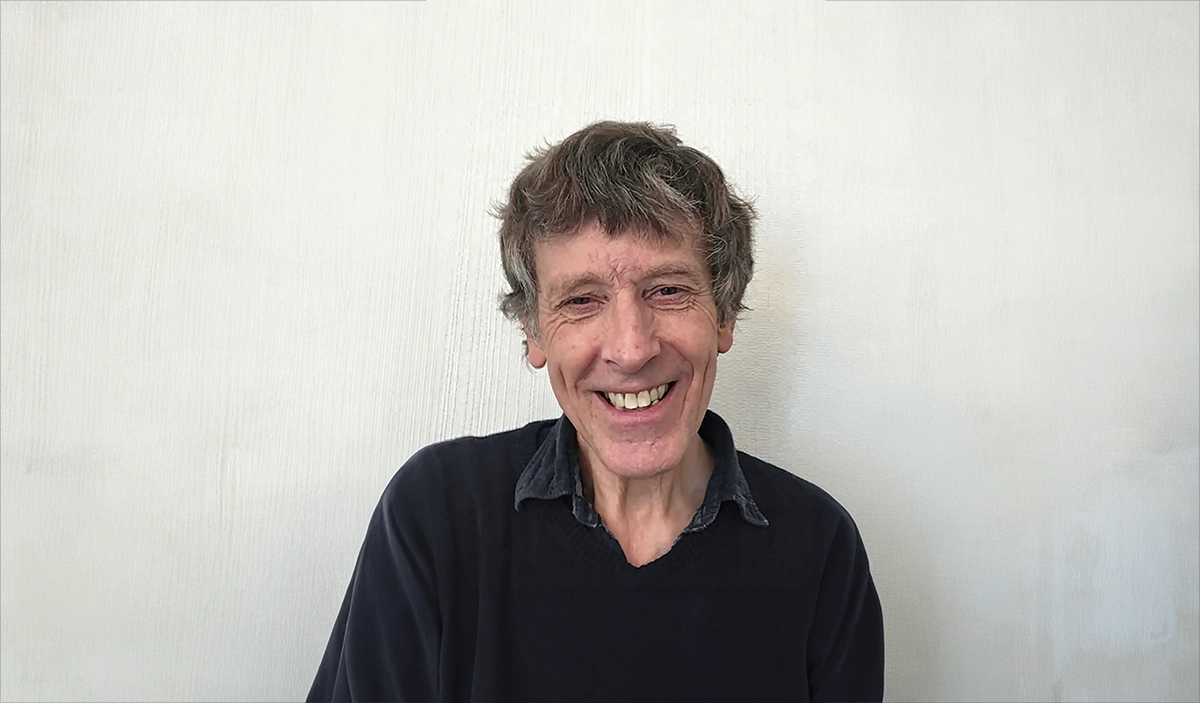
Photo: Richard Willett: The Acclaimed Playwright And Author Behind The Heartfelt Novel A Friend Of Dorothy’s.
A Storyteller Who Balances Humor, Heartbreak, And Truth
Richard Willett discusses A Friend of Dorothy’s, his acclaimed plays, insights on storytelling, and advice for aspiring writers while reflecting on his creative journey.
R ichard Willett’s storytelling is nothing short of masterful. Renowned for his deeply evocative plays such as Triptych, The Flid Show, Tiny Bubbles, and award-winning productions like 9/10 and A Terminal Event, Willett has proven himself as a true craftsman in portraying human fragility, resilience, and the often messy complexities of life. His ability to s eamlessly weave humor and heartbreak within his narratives creates an emotional experience that resonates with audiences long after the final curtain call. Whether on the stage or the page, his work showcases an extraordinary talent for exploring the depths of the human condition.
Willett’s debut novel, A Friend of Dorothy’s, is yet another testament to his gift for authentic and poignant storytelling. Honed by decades of experience as a playwright and screenwriter, the novel is an intricate tapestry of humor, heartbreak, and unflinching honesty set against the backdrop of the AIDS crisis in 1980s New York. The narrative introduces readers to a young protagonist navigating friendships, desires, and fears during one of the most harrowing epochs in LGBTQ+ history. Willett’s ability to capture the raw emotions and vivid realities of queer bodies and lives, combined with his signature wit, has earned the novel warm acclaim, with critics praising his talent for balancing gravity with levity.
As a writer, Richard Willett defies convention, unafraid to push boundaries in pursuit of truth—whether through the sharp candor of his dialogue, his powerfully personal themes, or his exploration of universal human experiences. Beyond his plays and novels, Willett’s ventures continue to inspire, with upcoming endeavors such as his one-woman show about film icon Ingrid Bergman showcasing his range and creative versatility.
Richard Willett is a gifted, award-winning storyteller whose authentic, humorous, and heartfelt narratives captivate and inspire.
In this riveting interview, Willett dives deep into the personal experiences that inform his work, candidly shares the challenges and triumphs of his literary and theatrical career, and offers invaluable insights for aspiring writers everywhere. Join us as we celebrate a storyteller who fearlessly illuminates the beauty, pain, and humor of life, one page and stage at a time.
In A Friend of Dorothy’s, set in 1980s New York, how did your own experiences in Vancouver and NYC shape Eric and Dale’s emotional intimacy and narrative arc?
At that point in my life, my twenties, I was preoccupied with trying to sort out who was a friend of mine and who was more truly a “frenemy,” who actually had my best interests at heart and who really didn’t. So that friendship (Eric and Dale) was based on a few I had at the time. In real life, though, neither of us died of AIDS.
Your debut novel was written decades ago but only published in June 2025—what prompted you to revisit and finally release it now?
Three things: I saw new audiences for it, in that my awkward, withdrawn hero who’s afraid of sex suddenly seemed to be reflected in at least a couple of recent generations, and also more and more women told me his journey to free sexual expression resonated with them; as well, the book seemed to have become a historic document, and I realized I was in a shrinking group of gay men who had survived the AIDS era in New York and could record it; and finally, the attitude toward self-publishing had changed dramatically and I felt freer to bypass the gatekeepers who had rejected the book all those years ago.
The novel’s final overtly sexual chapter sparked controversy—how did you balance historical authenticity with modern readers’ sensitivities?
To be honest, I’m not sure I completely understand modern readers’ sensitivities. I only know they seem to be legion. I vowed not to change a word of the text from the original, and I didn’t. The surprise of that chapter, by the way, is that it’s the place in the book where some people, especially women, cry the most. It’s sexually graphic perhaps, but it’s also about a young man discovering that he is allowed to feel joy.
Kirkus praised your “hangdog wit” amid heartbreaking AIDS-era themes—how do you inject humor without undermining the gravity of illness?
I wrote a play about the drug thalidomide causing birth defects (The Flid Show) and found the laughs in the story. I’m working now on a long family play that I conceived of as my Long Day’s Journey into Night, but me being me it’s also, inevitably, turning into my You Can’t Take It with You. I have found that audiences are much more likely to be moved to tears if you can first make them laugh. But it isn’t even that calculated. I just find life funny. But I can also cry on a dime.
As a playwright and screenwriter, how did your experience with character-driven dialogue in plays like Triptych influence your prose style?
It’s interesting because I wrote the novel before I had written that many plays, and yet people tell me parts of it read like a play. I love dialogue. I’m told I write talky screenplays. One of my favorite films is My Dinner with Andre, which is one long conversation.
Critics note your vivid depiction of queer bodies and desire—what research or personal insight informed these unflinching scenes?
Gosh, was it really research all those years? Gay life in the 1970s and into the ’80s was all about sexual desire and then AIDS shattered that. Like a lot of gay men at the time, I had thought the freedom to be sexually active would solve everything, but of course it didn’t. I’ve also been told some of the medical stuff is unflinching. That’s based in part on my own experience in and out of hospital for a year when I was 15, being treated for severe scoliosis.
Having won awards for plays like A Terminal Event and 9/10, how does the immediacy of theater compare to the slower pace of novel writing?
One of the reasons I only wrote one novel is that it took so darn long. Years. You have to fill ALL those pages. You are the writer, the director, the actors, the scenic designer, and on and on. I can write a play in a matter of months, and then it’s just a blueprint for others to add to.
You’re developing a one-woman Ingrid Bergman show—how does writing biographically differ from creating fictional characters like Eric?
I actually find it’s a similar process. They become characters for me. I do a lot of research, but then I also find quirky things I connect with in their story: Ingrid was shy, like me, and her daughter had the same operation I had, and she loved martinis. There. Connection made. I can write her.
Your screenwriting has been twice in the Nicholl Top 50—how has that craft influenced narrative structure in your fiction work?
Again, the fiction writing came first. But the one thing screenwriting has most taught me is the importance of story. I used to think that I was a literary author somehow above mere storytelling. I have come to see that a solid story is your safety net. Once that’s in place, you can do what you want, you’re free to be as hifalutin as you like.
What key piece of advice would you offer aspiring authors about revisiting and publishing long‑shelved manuscripts?
Do it. And don’t throw anything out. And save all your rejection letters so you can laugh at them when the book’s a hit.
Canadian-American Richard Willett is best known as an award-winning playwright and screenwriter whose plays have been produced in New York, Los Angeles, and internationally. He wrote his only novel, A Friend of Dorothy’s, when he was in his twenties. Excerpts appeared in the legendary gay literary magazine Christopher Street and in Permafrost at the University of Alaska, as well as being short-listed for New American Library’s Men on Men: Best New Gay Fiction, but the novel itself was never published before now.