












From Hospital Meet-Cutes to Haunted Taxi Rides Cambria Hebert Turns Everyday Fear and Fantasy into Page-Turning Romance Empires
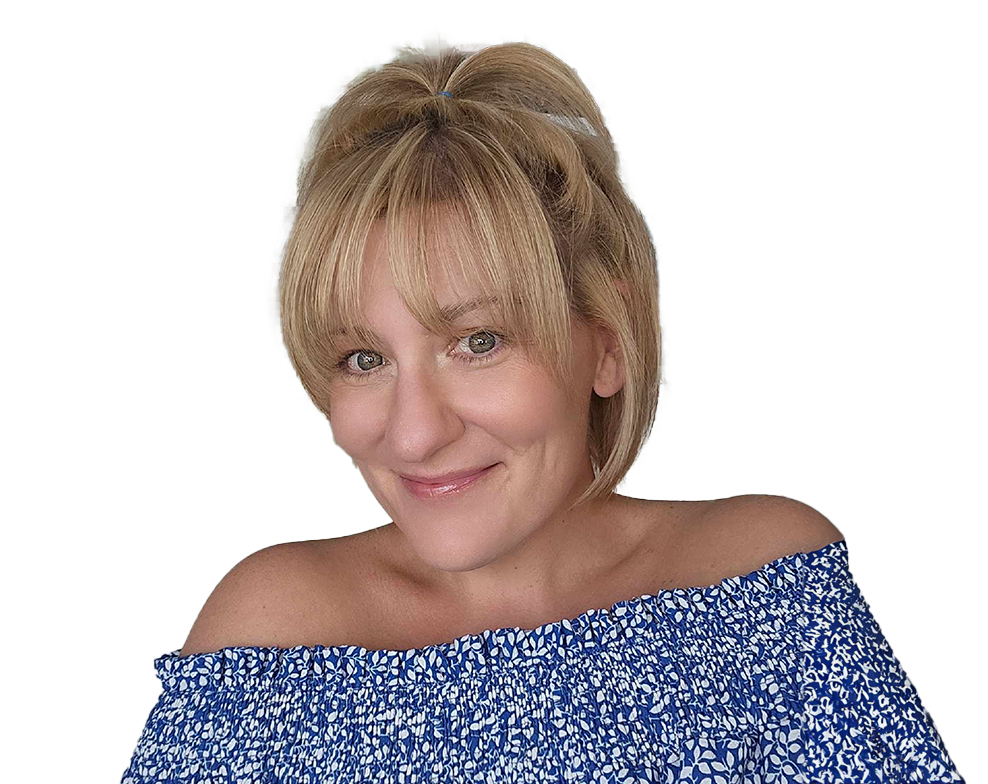
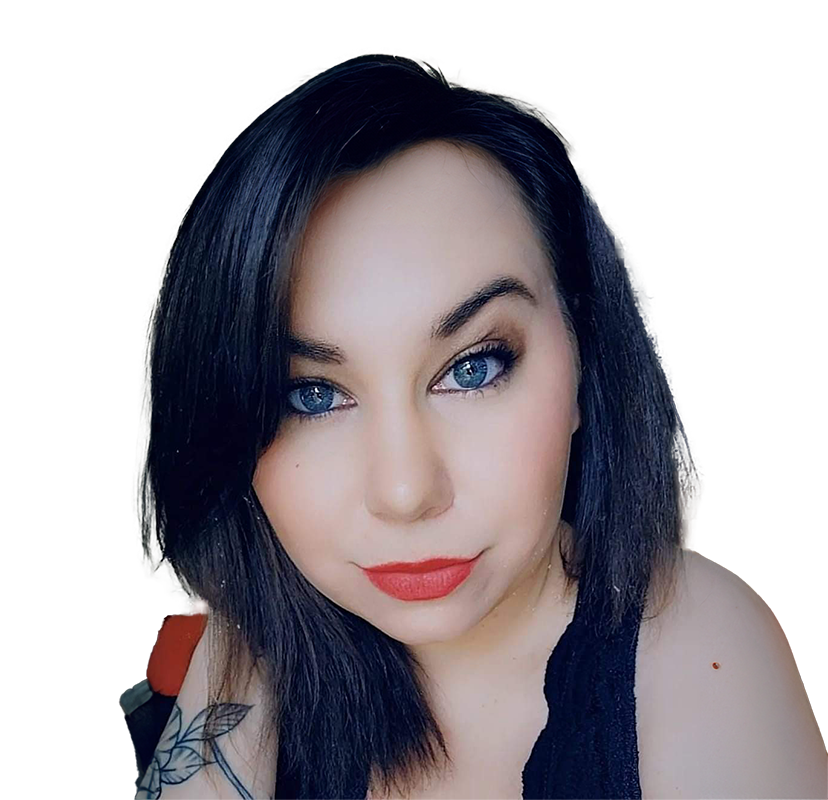
Bestselling romance author Cambria Hebert, known for her emotionally charged storytelling and genre-spanning novels, photographed during her latest literary spotlight.
Inside The Mind Of A Bestselling Romance Author Who Finds Inspiration In Life’s Smallest, Strangest Moments
Cambria Hebert discusses her writing process, genre versatility, inspirations from everyday fears and experiences, character creation, handling trauma themes, and sustaining creativity across more than seventy bestselling romance novels.
C
ambria Hebert stands as a powerhouse in contemporary romance fiction, a bestselling author whose voice has shaped more than seventy novels across an impressive range of genres. From emotionally charged new adult stories to high-stakes suspense, sports romance, sci-fi, and LGBTQIA+ narratives, her work consistently blends heart, tension, and authenticity. With multiple awards recognizing her storytelling—from “Author of the Year” honors to accolades for The Hashtag Series and the widely celebrated #Nerd—Hebert has firmly established herself as a writer who not only meets reader expectations but continually redefines them.
Her novels are marked by a distinctive ability to balance intensity with intimacy. Whether crafting the sharp emotional edges of the Westbrook Elite series or the addictive charm of her Hashtag books, Hebert demonstrates a rare command of character-driven storytelling. She navigates difficult themes—trauma, accountability, identity, and resilience—with sensitivity and precision, while still delivering the kind of page-turning romance and suspense that keeps readers deeply invested. Across every genre she touches, her signature style remains unmistakable: layered characters, emotionally grounded stakes, and plots that refuse to sit still.
Beyond her prolific output, Hebert’s creative process reveals a writer constantly observing life for inspiration—transforming everyday fears, fleeting thoughts, and unexpected moments into compelling fiction. Her openness about her unconventional path, her attention to character psychology, and her candid reflections on the realities of writing add further depth to an already dynamic literary presence. In the following interview, she shares insight into her creative world, offering a candid look at the ideas, experiences, and instincts that continue to fuel her storytelling across an ever-expanding body of work.
How has your background in cosmetology influenced the way you describe the physical appearance and style of your characters?
Before I became a writer, I went to two four year colleges (Frostburg State University and the College of Charleston). I could never pick a major because I liked everything, but I didn’t really love school. So I transferred to The Technical College of the Lowcountry and got an associate’s in business/cosmetology. In full transparency I never really worked in the field because I gave birth to my first child and then later started writing. However, I think the background did help me in terms of descriptive writing for physical appearance. I think I also learned that physical appearance can sometimes affect how you feel on the inside and also the way others perceive you. For example, in #Nerd, I wrote about a girl who always wore oversized clothes, didn’t do her hair or put any effort into her appearance. She more or less tried to look invisible and not attract attention. This was a nod to how she felt on the inside. So addressing her physical appearance also helped with her overall characterization. In contrast, her roommate in the book was the opposite. She did her hair, makeup and nails and made a lot of effort in her appearance. We find out later she did that not because she was conceited but because she often felt “plain” and wanted to feel better about herself. Going through cosmetology school actually also influenced a book I wrote later called Tipsy. I used to go in the back at the salon and mix up lightener for highlights and it was powdered and I would always randomly think to myself, this looks like drugs. So I wrote a book about a hair stylist who discovers her boss is smuggling drugs that look like hair lightener.
With over seventy titles to your name, how do you manage to keep each new plot fresh while staying true to your signature style?
This is definitely not easy! Sometimes I worry I will run out of ideas, but honestly life keeps them coming. I use all sorts of things as inspiration. Irrational fears, what-if scenarios from my own life, and even current events can spark fresh ideas. Different genres also help me keep things fresh. I love suspense and also sports romance so I combine them sometimes. And I write about different sports: swimmers, football, race car drivers… each sport offers something new and exciting to use in a book plot. Or just general romance suspense, I use what-if scenarios or irrational fears. For example, I’ve done a lot of traveling for book signings, etc and I would often get into a taxi at the airport and I would think “this person could drive away with me and no one would ever know.” So I wrote a book (Taxi) about a woman who was kidnapped by her Taxi Driver. I also used to live in a place with a beautiful walking trail. I went on a run once and I was so afraid someone would kidnap me that I ran back home. LOL. That inspired my book, Text, which is about a writer who is kidnapped (while out for a run) and thrown into a hole in the woods. She gets off one text to a stranger who happens to be a Marine (my husband is a retired Marine). So in general I just take normal every day thoughts or ideas and spin them into a plot.
What inspired the unique “hospital meet cute” in The Hazard and the Hitman, and how did you approach the balance between suspense and romance?
This is a fun question! I was actually inspired for the hospital meet cute by readers! The Hazard and the Hitman originally was a short story that was in an anthology ( Heart 2 Heart anthology) which benefited charity. As part of the anthology readers were asked to fill out a questionnaire and give character names, character traits and also reasons a person might need a “plus one”. The authors involved in the anthology would then look at the list and each choose character names, traits and the plus one idea. One of the ideas was that someone needed a “plus one” for a medical appointment (like an MRI or something). And I was intrigued because going onto a dating app to find a plus one for something that seemed so crazy. So I brainstormed the idea of a man being admitted into the hospital after an accident and having a concussion. The staff wouldn’t let him leave because he didn’t have anyone to watch over him that night. But he really, really wanted to leave so he got on a dating app to find someone to pretend to be his boyfriend so he could get discharged from the hospital. I had so much fun with the idea that I turned it into a full length book.
Given your self-proclaimed fear of chickens, have you ever been tempted to include a poultry-related obstacle for one of your characters as a form of therapy?
Ah, yes, chickens – all birds actually – are my least favorite thing. I think they are so creepy. LOL. I have dropped a few lines in books here and there about chickens being creepy, etc. I have not however included a poultry-related obstacle in a book… that could be an idea for a future novel… lol. Although, that would require thinking about birds which… *shudders*
The Westbrook Elite series deals with very intense and sensitive themes; how do you prepare yourself mentally to write scenes involving trauma and recovery?
Many of the books in the Westbrook Elite series do have some sensitive themes. Wet deals with sexual assault and her word against his. Wish deals with stalking and attempted assault. WTF deals with a past abusive relationship. Whisper deals with misophonia, anxiety and ptsd. Books involving trauma and recovery can be difficult to write because not only do I want to be true to the character and what they feel and experience but there is also some responsibility there to the reader who might relate. To prepare I usually do some research on topics or disabilities I am not familiar with and I try not put myself in the characters headspace and think about how they would react and feel about certain situations. I try to be as open-minded as I can because everyone’s experiences are unique and different.
You have written across a vast range of genres from sci-fi to sports romance; which genre do you find the most challenging to draft?
Honestly, I think every book is a challenge. I do think sci-fi or paranormal is a bit more challenging because of the world building, but contemporary also requires some world and character building. Every character and every plot has something unique to it that creates some sort of challenge. Also, creating characters that are relatable and lovable is also a challenge. Suspense can also be a lot of work because you have to weave a story with some intrigue without it being too obvious while also keep the plot more fast-paced. So for me, every book is a challenge and takes work to draft.
In Wet, the contrast between the two Elite swimmers is stark; what message did you want to convey about power and accountability within collegiate sports?
The contrast between the male lead, Ryan versus the antagonist in Wet is very stark. I think what makes it more interesting is that they are teammates, both very popular swimmers. You would think they would be very similar, but they are in fact, very different. I think with this plot I wanted to show how power and accountability can be very skewed in collegiate sports. How one famous, popular athlete can abuse his status and take advantage of other students (in this case girls) and get away with it because his word carries more weight. No one wants to believe a well-liked and talented swimmer could be a terrible person. Add in the fact that he swims well and performs highly for his school and has money and well his indiscretions are often overlooked. I wanted to give power to the “lesser” voice in Wet. Even though, Rory (the main female character) was not as popular as the antagonist, she was still worthy of people listening to her. Her feelings still matter.
How does your love for K-dramas influence the pacing or the “slow burn” elements in your own romantic storytelling?
I do love a good K-drama. I think they are really great with pacing and characterization. The plots are often well done as well. It really helps to expand my thinking and creativity. It does help with “slow burn” romance because K-Dramas often have great build up and anticipation between their characters and when it’s well done it’s really impactful. I think a lot of K-dramas are often well layered as well, which add depth. In general, K-dramas inspired me to finish a novel I had started and sat aside for two years. I realized I was missing some plot points that could really help push the book in a great direction, so I added a serial killer. LOL. And with the serial killer it opened up a new plot and a way to bond the main characters. I thought of the book as sort of a movie within a movie and I went on to and publish the book. Its actually one I still often think about several years later. It’s called Moth To A Flame.
Does your habit of running on a treadmill help you work through writer’s block or brainstorm new dialogue for your protagonists?
Yes! I often work through ideas on the treadmill. If I’m stuck on a part or don’t know what to write next, I do like to put in my airpods and turn on music and just walk or run and let my mind wander. I’ve gotten lots of ideas while doing that.
What are your top writing tips for aspiring authors who are trying to find their unique voice in a crowded market?
This is a hard one because the market is very crowded and lots of people say they have the “secret” to breaking out and being wildly successful. In the last fifteen years I think I’ve learned that there really isn’t a secret. Every career is different. Every journey is different. What works for one might not work for you. It’s really about getting out there and seeing what captures your readers attention. I think a good tip is to be yourself. No one else is you, so that’s unique. Use your own experiences and observations to weave plots and create characters. Don’t try and write like anyone else, just write what YOU would love to read. And of course, the traditional advice of making sure your product is polished is still very good advice. Take time to create great covers and have your work professionally edited. You can look at the bestselling books on amazon (or in any book store) that are in your genre and see what style of cover is currently popular. Overall, just be true to yourself. Be you.
What is the single most important piece of advice you would give to aspiring authors who are struggling to finish their first manuscript?
The struggle is real isn’t? Self-doubt, the crowded market, social media… it’s a constant stream of noise that really can affect your writing and your goals. Even with over seventy books, I still struggle with this almost every day. I always think my current draft is terrible, I always worry I won’t be able to write another book. But I keep writing. I keep letting the characters tell their stories. Somedays it’s super hard, I write 500 words and it takes hours. Somedays its easier and I write several thousand. Just keep writing. You can always go back and edit, but like they say, you can’t edit a blank page. Sometimes just sitting down and writing even when it’s hard is a way to shake out ideas and thoughts. And if you are really struggling and sitting at the computer feels like a waste of time, then get up and do something else. Allow your brain some time to recharge and think. Do something else you love and come back to it later. Just keep writing.