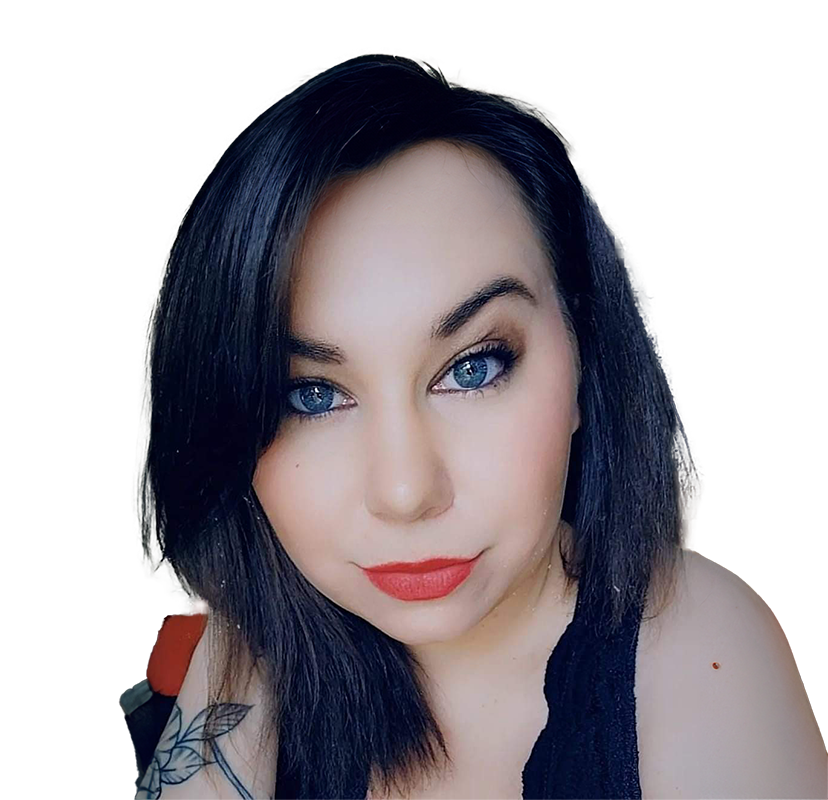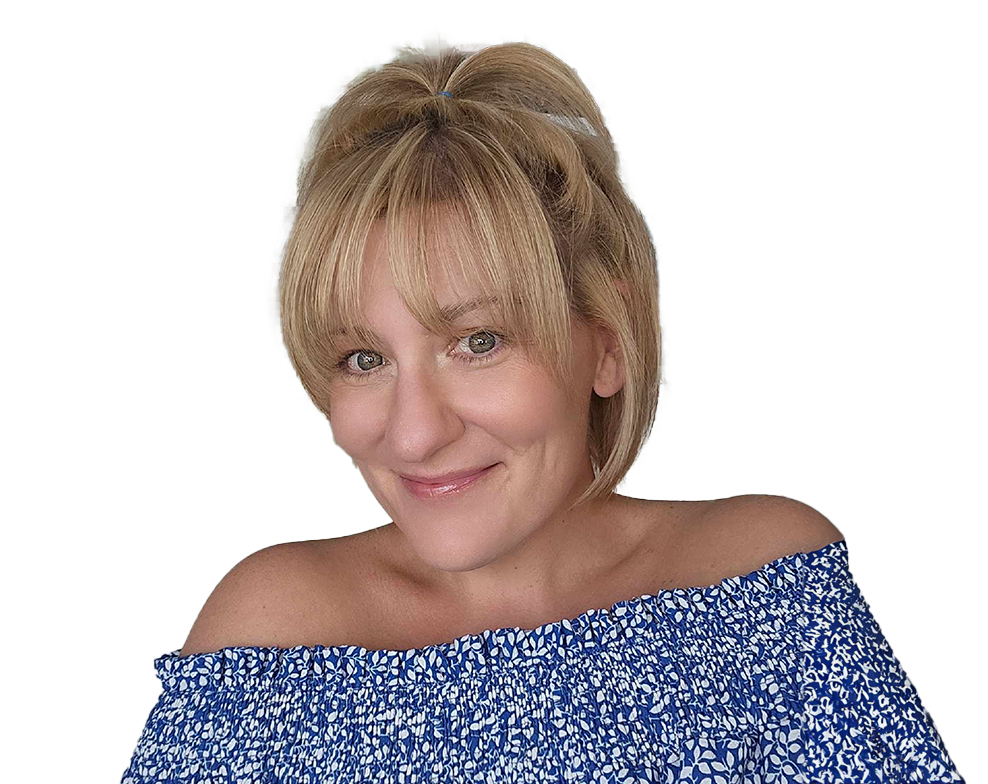




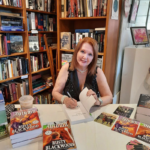

Tessa Dawn weaves dark fantasy and Gothic romance into emotionally charged worlds of myth, trauma, and resilience
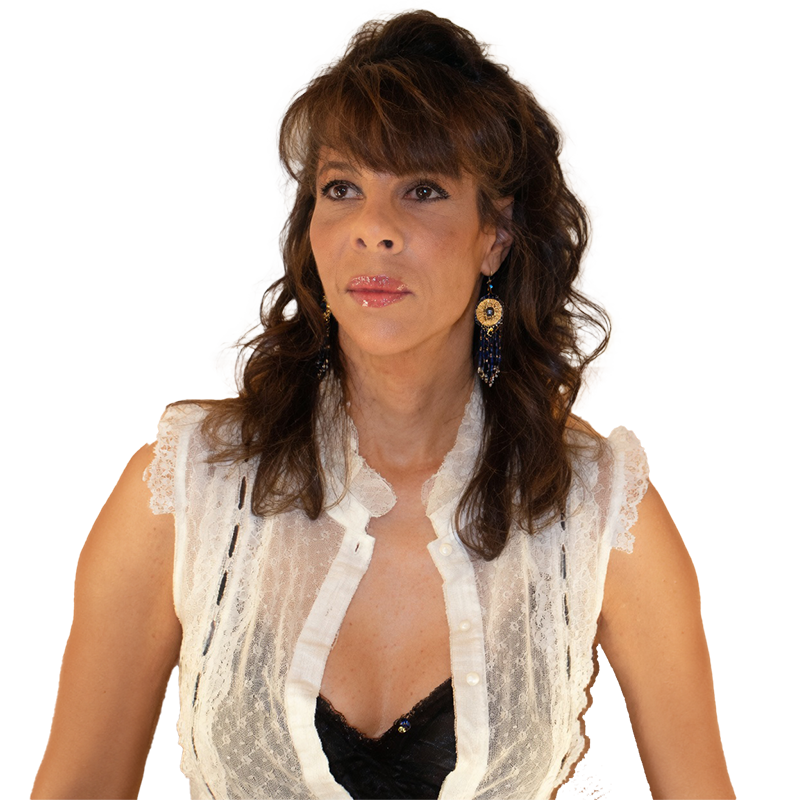
Myth Trauma And Humanity Intertwined In Gothic Worlds
Author Tessa Dawn blends psychology, sociology, and criminal justice experience into dark fantasy novels exploring trauma, identity, and resilience while crafting immersive vampire mythologies and emotionally driven character journeys across worlds
T essa Dawn stands as a compelling force in contemporary dark fantasy and Gothic romance, weaving worlds that are as emotionally resonant as they are imaginatively expansive. With eighteen published books and readers spanning over 100 countries, her work has not only achieved remarkable commercial success but has also carved out a distinctive space where myth, psychology, and human vulnerability intersect. Her ascent through multiple bestseller charts reflects more than popularity—it signals a deep and sustained connection with readers who return to her stories for their emotional intensity, layered characterizations, and immersive world-building.
What makes Dawn’s body of work particularly striking is her ability to fuse sweeping supernatural mythos with intimate explorations of trauma, identity, and resilience. From the ancient hierarchies of the Vampyr to the psychologically complex journeys of characters like Braden and Kristina, her narratives pulse with both darkness and hope. She writes not merely of monsters and romance, but of the fragile, often fractured interior lives that define what it means to be human—or something beyond it. This duality, between shadow and light, has become a hallmark of her storytelling voice.
Equally compelling is Dawn’s creative process itself, shaped by a lifelong engagement with psychology, sociology, and criminal justice, as well as an instinctive, almost cinematic imagination. Her novels emerge from a space where intuition meets discipline, where richly constructed worlds are allowed to breathe before being refined into intricate, cohesive series. It is this balance that gives her work its signature depth: emotionally charged, structurally ambitious, and consistently anchored in character-driven truth.
As readers prepare to step into this conversation with Tessa Dawn, they will find not only an accomplished author at the height of her creative powers, but also a storyteller deeply attuned to the emotional landscapes that define her fictional universes. Her reflections offer a rare glimpse into the mind behind some of dark fantasy’s most enduring modern sagas—where every story begins with feeling, and every world is built to endure.
How did your professional background in psychology, sociology and criminal justice influence the complex mental states and traumas of characters like Braden and Kristina?
When I dream up a character like Braden or Kristina, I start with the basics: age, height, eye color. From there, I dive into their quirks—are they dripping with sarcasm, do they constantly seem to say or do the wrong thing? Why does Kristina always wear spiked heels, and why does Braden go to such great lengths to try to make friends? Maybe his uncharacteristic headaches (my vampires don’t suffer from such maladies) are masking a hidden psychic gift, and maybe her insecure fidgeting, with fingers constantly fiddling away, are concealing a secreted sensitivity?
But then, I push further. I delve into family origins, likes and dislikes, fears, hopes, and dreams. This is where the magic unfolds, and a broken character like Kristina or an insecure boy like Braden begins to breathe. Perhaps thanks to my psychology and sociology background, I start to see them in an entirely new light. If she trembles in the dark, I wonder why. What’s lurking in the past to cast such shadows? If he grapples with insecurity or feels unloved, what ghosts are hiding in his inner closet? When, where, and with whom did these seeds of doubt or damage take root, and how have these experiences shaped their development or self-esteem? Has it shifted the way they forge connections or impacted their ability to make meaningful relationships?
You get the point…
Psychology is definitely a guiding star in this journey; however, I don’t exactly build or create these elements. It’s more organic than that. At this point, they simply appear to me or emerge from intuition. The characters cease to be mere fictional constructs and their inner demons, no longer archetypes. Rather, they begin to transform into living, breathing entities in my mind, with unique pasts, original intentions, and complex behaviors—a complete spectrum. And yes, I firmly believe my understanding of human nature, behaviors, and the mind—how they unfold within communities and societies—is what fuels these characters’ vibrant lifeblood.
Then there’s my background in criminal justice, lending its darker hues to my narratives, especially with the vampires born from the house of Jaegar: the Dark Ones. Understanding brokenness, maladaptive thinking, and sociopathic behavior? That’s potent kindling for the fires I light in my series and endless fodder for devious plots. Funny enough, I’ve chosen fantasy worlds and make-believe themes precisely because the harsh realities of human nature in everyday life aren’t something I want to grapple with—far too daunting. I find solace in reminding myself, it isn’t real!
After publishing works as varied as academic curricula and poetry, what was the specific spark that drew you back to your creative roots in dark fantasy and Gothic romance?
Academic curricula, poetry, and even articles were great writing experiences for me; they strengthened my craft and taught me research, development, and intentional, structured design. They even paid the bills, but they didn’t engage my heart, my creativity, or my incredibly active imagination, which has always been a hallmark of my personality. One use of my craft was structured and predictable, while the other was far more intuitive and personal, requiring me to let go, take more risks, and explore the unknown. At some point in my life, I just needed to come back to myself, to be all of who I am. I needed to let go of the safe, organized use of my craft and just play! In truth, when I first wrote “Blood Destiny,” I had no intention of seeking a publisher. I was simply returning to my first love as a means of rediscovering my joy—the spark was a desire to reignite a flame within me.
The House of Jadon plays a central role in your mythos; how did you go about constructing the specific hierarchies and “ancient, lethal society” of your Vampyr race?
Honestly, this is where my overactive imagination comes into play, the one I’ve had since childhood. I don’t really have to sit down and think about or come up with these mythos or hierarchies; the ancient civilizations or societies are just already there. I once said I must have a thousand stories in my head, although I have no idea where they came from.
That said, before I began the Blood Curse Series, I knew I wanted to blend some traditional vampire lore with a whole new concept of the species: who they are, where they come from, what makes them unique. I started with a wealth of research on ancient civilizations and vampire myths to decide if there was anything I wanted to keep. Then, I did sit down and think—what could explain the origin of a vampire, a creature cursed to drink blood? I already knew I wanted a noble house and a dark house—good versus evil, archetypal rivals—so I had to have a background story for both. In truth, I had watched a documentary as a teenager about an ancient human civilization that sacrificed its females to the point of extinction. Yes, they destroyed all their women and went extinct! Well, when I asked myself what could be so horrific as to deserve such a curse…ah, it came back to me: cursed to drink blood, because they were so bloodthirsty to begin with; cursed to not produce female offspring, because they had so dishonored their women; and cursed to never know the love of a female, because honestly, that’s the least they deserved. The four mercies, the exceptions…the rest unfolded from there.
In Blood Harvest, Braden is the only fledgling to be made rather than born; what unique challenges did this provide when exploring his sense of identity within the series?
The greatest challenge was breaking my own rules, themes, and constructions. My vampires are not undead humans; they are the progeny of celestial deities and an ancient Romanian people who were cursed due to an unforgivable sin. They are born, not made. So, here comes this very human-like character, who will struggle to attain all the supernatural abilities and superior attributes his “brothers” take for granted. How does that play out? What does that look like? Will doing this affect any other construct of my world building…you know, the Butterly Effect? And how does that make sense without deviating from the quite complex framework I’ve already built?
In other words, it consistently challenged my creativity to make it coherent while also offering a broad and vibrant palette to develop a far-reaching, overarching character whose arc could span from childhood to adulthood, across books, stories, and plots. I had no idea where Braden’s story was headed; I just knew this awkward, quirky, little misfit of a boy would one day be…a giant among the Vampyr…and that I had the entire series to slowly flesh him out and bring him along. It’s funny, because watching him grow and develop, seeing his identity change, has felt a lot like raising an amazing child to adulthood.
Both Gwendolyn and Kristina are described as having survived significant past trauma; how important is the theme of resilience and personal choice in your storytelling?
What a beautiful and insightful question! It’s extremely important to me. I once asked my readers how they would describe my books, and to my surprise, they said very little about vampires or romance or supernatural worlds. They said things like brotherhood and loyalty, loss and overcoming, hope versus despair, good versus evil, and the ultimate journey of a soul. Wow! That was so spot on.
This interest likely stems from my background in psychology and sociology, my passion for cultures and history, and my fascination with understanding what makes people tick. Writing fantasy fiction allows me to explore the full spectrum of the human experience—from grief and loss to joy and triumph, and from trauma and struggle to learning how to love oneself and others. And that is what I’m really writing about beneath the fast paced, suspenseful themes and subplots. Good overcoming evil and love being stronger than hate are not just archetypes to play with for me, they are imperatives in my stories – and maybe, that’s because I have so much empathy and compassion for what I see people go through and struggle to overcome every day.
Having written your first novel at the age of eleven, how has your writing process evolved from those early “banker’s box” stories to becoming a multi-time bestseller?
Oh, yes, it has evolved! My process has changed significantly from writing Blood Destiny, book one, to my most recent novel, which I believe is my twentieth book or novella. Not to date myself, but those early, non-published books were written by hand, no laptops or computers to be found. Back then, the storytelling and imagination drove the entire process, and when you write a book by hand, you don’t want to do a whole lot of editing (so you try to get it right the first time).
Over time, I was fortunate to take many formal writing courses focusing on areas like dialogue, plotting, creative writing, poetry, and character development, all of which I have incorporated into my craft. That said, the steps I had to take to complete a full, published novel at first were both many and arduous: I would write and rewrite, outline and use notecards, print it out, edit, rewrite and print it out again. Ugh! Fortunately, time brings experience, and experience leads to growth. Over time—and with many novels—I discovered my process, my pattern, and what works best for me. And all that early experience and practice became the foundation the rest was built on.
So, what is it that I do now? Well, I’ve always been a pantser, not a plotter. That just means, I write from the seat of my pants (make it up as I go along) as opposed to plotting or creating detailed outlines to begin with. For me, detailed outlines are often ineffective because the story rarely unfolds in the direction I initially anticipate or design. When I write, it is more like watching or seeing a moving picture in my mind than recording what I see. I’m standing in the point-of-view character’s shoes throughout each scene, just looking, listening, smelling, tasting, and feeling the same things…and somehow reporting it to the reader. As crazy as that sounds, I can’t tell my characters where to go or what to do; I can only watch as the action unfolds.
To complicate matters, I write series. That means consistent themes, world building, histories, families, and sequential events – a whole lot of elements that can’t change due to continuity. For that reason, I have binders full of notes and histories, world-building and character profiles, even maps and scenes that I often refer to. I will write the first half to two-thirds of a novel just following my muse then immediately go back and outline to craft a cohesive, structured end. I will not stifle my imagination during the rough draft phase by worrying about grammar, sentence structure, or penning “singing” prose – just get the story on the page! And then, I’ll go back during the rewrite to clean it up and act like I’ve actually taken some writing classes and understand that English has some rules.
In keeping with my professional background, I start out as the right-brained storyteller, and I just play. Then I remember all the structured writing, outlining, and the left-brained parameters I must play within, and I switch to that mode to tie it all together in a rewrite. After that, an edited version goes to several trusted readers, who know my worlds and characters like the back of their hands, so they can scrutinize for feel, continuity, behavior, and speech…changes in histories or plot details…any unforeseen lapses or deviations from a previous theme or installment. Anything caught is corrected, and then it goes to the professional editors.
I will say this: the first book is the freest an author will ever be. After that, there are more expectations to fill, and especially with series fiction: Once you establish the rules, you need to adhere to them. If you choose to break them, you must provide a plausible explanation.
Does your time spent in the Colorado mountains provide the atmospheric inspiration for the rugged or isolated settings found in your books?
Yes. In fact, I chose the Colorado mountains as my backdrop, not only for their similarity to the Transylvanian Alps, but also because I am so familiar with them.
A fun fact: In Blood Destiny, Jocelyn finds herself fleeing from something horrific she has just witnessed along a very rugged, winding, mountain trail in Dark Moon Vale; this is where she meets Nathaniel. The trail is real. It’s in the Rocky Mountain National Forest, and I spent countless hours driving that remote, haunting path on an ATV, my imagination running wild.
What are your most effective writing tips for aspiring authors who are trying to build a complex, multi-book fantasy world without losing their audience?
I sincerely hope this does not sound self-promotional in any way, but I used to receive so many emails asking this same question that I eventually took the time to write a free booklet, short and sweet but carefully thought out, answering this very question: “Do You Have any Advice for Aspiring Authors?” by Tessa Dawn. It’s on all the platforms, except for Audible, and you can link to it here… https://www.tessadawn.com
That said, the underlying theme throughout the book was to write. Yes, write consistently and persistently. There is no shortcut for experience. Those bankers’ boxes full of early novels that were never published were as necessary as the manuscripts that eventually made it into readers’ hands. The thousands of hours spent writing curricula, poetry and other nonfiction also came into play, and even the early, exhaustive rewrites, before I became more fluid with my process, played a non-expendable role. It’s like anything else we do – cooking, playing an instrument or sport, fitness training and so forth – time and practice are key, and you can never write too much. Of course, the booklet also gets into more specific themes such as editing, advertising, and how to push through difficulty and approach reviews…enough said.
As for building a complex, multi-book fantasy world while maintaining audience engagement? This may sound overly simplistic, but whether the subject is the fantasy world, the plots, the characters, or the complex world building, grasping and keeping an audience (in my singular, humble opinion), boils down to one primary aspect: emotive feelings—deep, raw, real, and connective. Do your readers feelhope, fear, pain, joy, relief, anger, sorrow…the entire human gamut…when they read your work? Will they laugh out loud, cry, or scream? Will they love some characters and deeply despise others? Because the difference between connecting to a world and a story versus just reading non-engaging words on a page is feeling and experiencing the stories themselves, as deeply as possible. This is done through several techniques—pacing to build tension, writing in deep character point of view and never breaking it for the ease of the author, avoiding author intrusion in one’s stories, and making sure you as the writer are feeling everything deeply yourself. Yes, if I write a scene that is supposed to be harrowing, and my heart is not racing, I’m not nervous or having to get up and pace, I’m not on the edge of my seat, then my reader won’t be either – so I’ll rewrite it until it gets there. I’ll even listen to a song that provokes emotion before writing a scene that requires it. I don’t write chapters or books; I write scenes, one at a time. And I don’t write scenes based on what I want the reader to know or see—I write them based on what I want the reader to feel.
The other technical elements can be learned.
You have reached #1 in Horror as well as Dark Fantasy and Paranormal; how do you blend the terrifying elements of the genre with the emotional core of a romance?
To be perfectly candid, I have never felt that my books belong in the Horror genre as it is defined in the industry: a category of literature, film, and media designed to provoke fear, shock, suspense, and dread in the audience. The difference between a book which may contain some ‘horror’ elements versus a book that is designed primarily around these elements is stark. In other words, readers search for horror specifically to be frightened, shocked, amazed, and absorbed in a dark—even terrifying—journey, and when a novel is miscategorized, that can be disappointing for both the reader and the author.
That said, there are some scenes in my books that are shocking or surprising, and at times, readers may feel some dread or high anticipation, definitely a lot of suspense. But, my readers are just as likely to feel intense joy, deep empathy, excited anticipation, or the thrill of victory, the agony of loss, etc. I think what makes my writing both unique and hard to qualify is that it doesn’t fit within a strict box; in fact, I set out to tell fantastical and emotion-provoking stories, more than to ‘paint within the lines.’ My books have been considered cross-genre many times (fantasy with paranormal, or romance with suspense, you name it…), but the real reason they cross over so seamlessly is because I include the entire realm of human experience in my stories: How can you tell the story of a hero, anti-hero, or heroine without including the heart, mind, and the soul? We are multi-faceted beings, and I try to reflect that complexity in my characters. In doing so, romance—relationships—are just one of the many experiences their journeys encompass.
So how do I blend such different elements? Honestly, I don’t even try. Instead, I focus on telling a character’s complete story, letting it naturally incorporate various elements, and allowing the plot lines to evolve accordingly. I will say that I am thrilled my books have reached #1 status across so many categories because that tells me readers are feeling deeply about what they read, they are connected to the storytelling, and that’s an experience outside of genre.