













Emotions Are Our Humanity, Not Flaws: Tanya Ross Redefines Courage and Control in a Fascinating Dystopian World

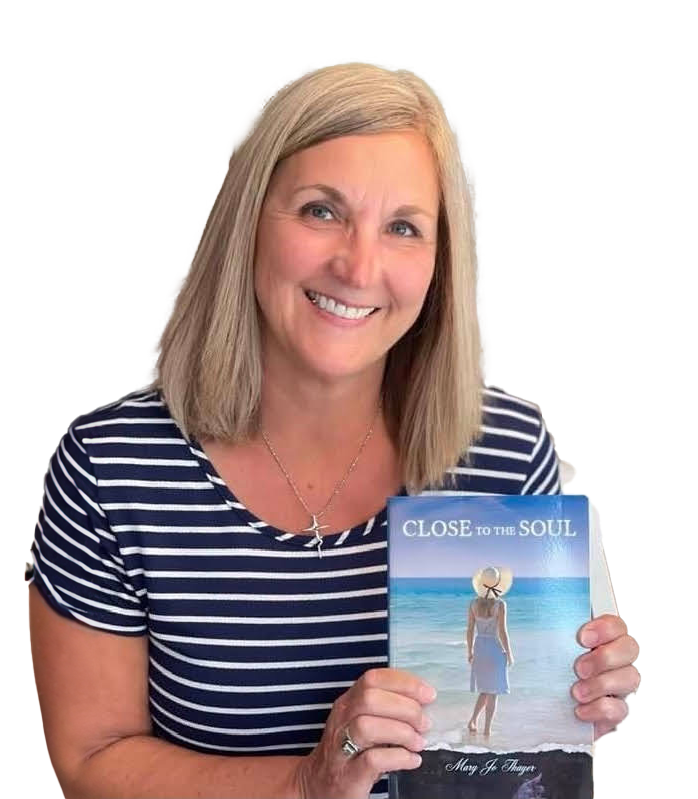
Photo: Tanya Ross: The visionary author behind Rising Up and The Tranquility Series, where emotional strength becomes humanity’s greatest weapon.
Exploring The Power Of Emotion In The Tranquility Series
Tanya Ross delves into her inspirations, dystopian world-building, emotional authenticity, and resilience while exploring humanity’s essence in her compelling Tranquility series, where emotions become symbols of strength and vulnerability.
T anya Ross is a literary force whose powerful storytelling has captivated readers and ignited minds. Born and raised in the heart of San Diego County, her writing reflects not only her Southern California roots but also her deep-held values of compassion, emotional resilience, and the transformative power of kindness. In her groundbreaking Tranquility series, Tanya masterfully blends dystopian themes with thought-provoking social commentary, creating an immersive world both imaginative and hauntingly relatable. At the center of it all is a fierce belief in the importance of emotional authenticity and humanity—a battle her characters fight not only in their society’s systems but in their own hearts.
With Rising Up, Tanya introduces us to the remarkable protagonist Ember, a multi-dimensional heroine whose journey from timid innocence to empowered rebellion is nothing short of stunning. Guided by a desire for freedom and justice, Ember’s struggles and triumphs illuminate Tanya’s unique grasp of character development and emotional depth. Tanya’s own personal experiences, notably as a loving mother navigating the complexities of motherhood and her 32 years as a dedicated educator, provide the beating heart of her work. The result is a narrative that isn’t just thrilling or suspenseful; it’s deeply human.
This interview dives into the mind behind The Tranquility Series, tracing her inspiration, the intricacies of her dystopian world-building, and the profound lessons she hopes her readers will take away. Prepare to be inspired by Tanya Ross’s powerful insights into storytelling, resilience, and the transformative magic of words.
Tanya Ross melds emotional authenticity, thrilling worlds, and heart-pounding narratives into unforgettable stories that inspire transformation and connection.
What inspired you to create the unique world of Tranquility in your series?
Before my son Jordan was born, I had never heard of Fragile X Syndrome. When he was diagnosed at age two, it changed how I viewed emotion and control. Fragile X affects how the brain handles fear and stress, making emotional regulation difficult. Living with Jordan meant structuring life around patience and behavior guidance. That experience inspired Tranquility—a society built around emotional control, where emotion is viewed as dangerous. The city mirrors my reality as a parent: survival through managed emotions.
“Emotions define us—they’re our humanity, not flaws.”
– Tanya Ross
How do your personal beliefs about kindness and compassion influence your writing?
At the heart of my dystopian world is my conviction that kindness and compassion should define our lives. In today’s world, many want to be kind but face emotional barriers or negativity. In Tranquility, I could create a system where compassion is rewarded—a reflection of how I wish society functioned.
“My life with Jordan taught me that emotions, while messy, are the core of our humanity.”
– Tanya Ross
Can you share the process of developing Ember’s character?
Ember began as a reflection of my younger self—shy, obedient, and hesitant to challenge authority. In Rising Up, she starts that way but transforms after her mother’s mysterious death. Her grief initially drives her to defy Tranquility’s rules, but ultimately forces her to question blind obedience. As an empath, Ember’s sensitivity isolates her, but losing her mother pushes her to build trust, particularly with Will Verus, a city agent. His betrayal and her encounters with Tranquility’s leader compel her to rely on her own strength—awakening her hidden powers. By the end of the first book, she embraces her identity, joins the rebel group Phoenix, and becomes a force of change.
How did you come up with the concept of emotions defining someone’s worth in Rising Up?
That idea evolved from my 32 years as a teacher. Students who brought positivity made the classroom thrive. I loved all my students, but the cheerful ones naturally rose to the top. I realized I could quantify that dynamic in Rising Up through a social system where emotions determine Status levels.
What challenges did you face in building your dystopian world?
Creating the structure of a utopian-like city was easy; deciding its technological and societal advancement proved challenging. Imagining life a hundred years from now in terms of technology, architecture, and science felt daunting. Designing The Outside—the wasteland where offenders are sent—was straightforward. It’s a no-man’s land marked by climate devastation, where extreme weather reflects the world’s damage and human failure.
How did your Southern California upbringing shape your stories?
Southern California is nearly ideal—the mild weather, diverse landscapes, and accessibility to places like Disneyland and the beach create a kind of real-life utopia. Tranquility borrows from that beauty and order. In fact, the first narrator who auditioned for my audiobook commented, “Is Tranquility San Diego?” They weren’t far off.
What’s your favorite part about writing suspenseful and thrilling scenes?
Though my books aren’t traditional romances, I love writing the emotional tension of relationships. The love triangle is one of my favorite aspects—Ember’s initial attraction to Will recalls the thrill of young love. Her growing connection with Xander, who begins as an adversary, adds depth and realism as their animosity turns to trust and desire. Writing from multiple perspectives means my characters occasionally surprise me, leading the story into directions I hadn’t planned.
How do you balance action scenes with emotional depth?
Every action must carry emotional resonance. I pair every moment of conflict or danger with internal reactions—what the character feels and how they express it. Emotional authenticity is what draws readers in; without it, even the most dramatic action falls flat.
Were any characters or plotlines inspired by real people or events?
Yes. Will Verus was loosely inspired by a real student—blond, kind, naturally popular without losing integrity. Another nod to my teaching years is in the name “Jesse,” a student who asked to be included in my book. Though the character’s traits differ, his name lives on.
How do you write supernatural abilities in a fresh, believable way?
Supernatural elements weren’t part of my initial plan. While writing Rising Up, the story evolved in that direction almost on its own. I originally gave Ember empathic abilities to make her “imperfect” in the city’s eyes, creating tension with the Magistrate. Later, when Xander’s revolution intensified, I expanded on Tranquility’s history of genetic experimentation—a failed attempt to build a superior human race. This evolution allowed the supernatural aspects to feel organic, tied to the city’s roots rather than random fantasy.
What lessons do you hope readers take away from Ember’s journey?
Three key lessons: (1) Step out of your comfort zone. (2) Be cautious of technology. (3) Emotions define us—they’re our humanity, not flaws. Ember’s story shows that emotional authenticity can be both dangerous and liberating, but necessary for personal freedom.
What advice would you give aspiring authors?
Join a writing group—always. Writing can feel isolating, and community is invaluable. Feedback from other writers strengthens your craft, exposes blind spots, and keeps you motivated. I owe much of my growth to the Escondido Writers Group and my mentor, Richard (Pete) Peterson. Stephen King said, “Writing is a lonely job. Having someone who believes in you makes a lot of difference.” Find people who believe in you—it’ll sustain you when self-doubt tries to take over.
Final reflections
At its heart, The Tranquility Series explores control—emotional, technological, and societal—and the danger of suppressing human vulnerability. My life with Jordan taught me that emotions, while messy, are the core of our humanity. Through Ember, I wanted to show that courage comes not from perfection but imperfection—learning to embrace both fear and love.