








Patti Larsen: The Mastermind Behind 240 Riveting Tales of Mystery and Imagination
 Screenshot
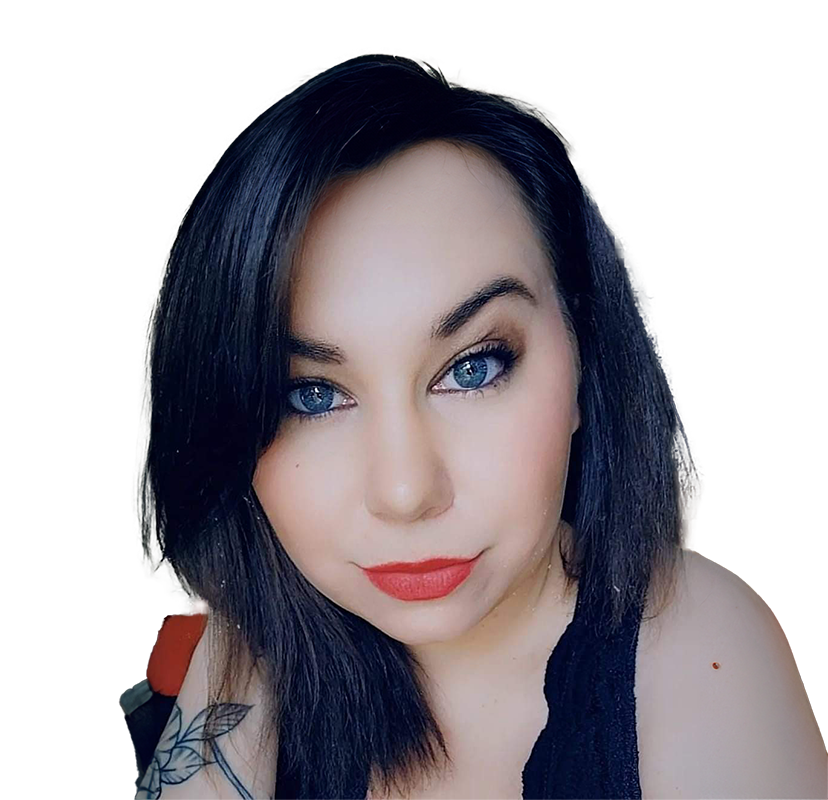
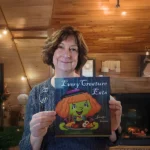
Photo: Patti Larsen on Prince Edward Island, the USA Today bestselling author behind 240 books—pug overlords, chubby cats, and endless stories in tow.
Exploring The Intricate Connection Between Nature, Science, And Mystery
Patti Larsen discusses her creative inspirations, the integration of biology in storytelling, and the vibrant characters that populate her expansive literary universe.
P atti Larsen, a name synonymous with creativity and innovation in the literary world, has charmed readers around the globe with her remarkable storytelling and captivating characters. As a USA Today bestselling, international, and multiple award-winning author with an astounding 240 titles to her name, Larsen has solidified her place in the hearts of mystery lovers and fans of speculative fiction alike. Her unique ability to weave intricate plots with profound thematic undercurrents sets her work apart, inviting readers to not only observe but actively engage with the worlds she so skillfully crafts.
Raised amidst the enchanting landscapes of Prince Edward Island, Canada, Larsen’s surroundings have deeply influenced her writing. Her stories are often enriched by the intimate connection between nature and humanity, reflecting her keen interest in the sciences and how they intertwine with our daily lives. Through her dynamic characters and thought-provoking narratives, she not only entertains but also urges us to reflect on our relationships with each other and the environment we inhabit.
In this exclusive interview, we delve into the mind of this prolific author, exploring her inspirations, creative process, and the myriad ways she infuses scientific principles into her narratives. From the symbiotic relationships in her plots to the intriguing role of animals as companions and aids in her mysteries, Patti’s insights reveal a writer who passionately draws from both the wonders of nature and the complexities of human behavior. As you read through her thoughts, you will discover not just the mechanics of crafting compelling stories, but also the heart and soul that drive her narratives forward. Join us as we celebrate the vibrant imagination of Patti Larsen, a true luminary in the literary landscape.
Patti Larsen is a master storyteller whose imaginative worlds captivate readers, blending science, mystery, and profound character development with remarkable skill.
Highlights From The Interview:
- Larsen’s dystopian world-building inspired by ecological science and mushroom farms in cities of the future.
- Her use of forensic science and biology to add authenticity and realism to her mysteries.
- A magical storytelling process where characters seemingly write their own journeys.
- Deep influence of Prince Edward Island’s landscapes on her vivid settings.
- Exploring small-town ecosystems through the lens of sociology and biology, as portrayed in her fictional communities.
- The dual role of animal companions in cosy mysteries – comic relief and investigative aides.
Biology often shapes how we see the world. Have you ever drawn inspiration from the natural sciences or real biology when building your characters or settings?
I was inspired to write a dystopian series based on a dark future in which humanity had consumed the bulk of our resources and, with the Earth itself no longer inhabitable thanks to what was believed to be an ecological disaster, the remnants of humanity built an endlessly climbing city called Skyline. They used mushroom farms to manufacture all kinds of building materials, providing food and energy for the remaining survivors. Their culture became a polished and carefully controlled civilization in which responsibility to the city was paramount and any doubt or personal gain was seen as a betrayal to the whole. The entire system evolved like a mycelium network in a way and still fascinates me, even if ultimately it wasn’t sustainable. But it does make me wonder about the connection between our environment that we choose to live in, and how it impacts the way we interact with one another.
“Biology often shapes how we see the world.”
– Patti Larsen
Forensics is rooted in biology. Have you ever considered weaving forensic science, genetics, or plant biology into one of your whodunits?
I do quite often and love doing so, not just because it adds realism to the work, but because I find the science of it fascinating. One of my characters, Becks Hogan, is a retired forensic scientist who opens a beach bar, only to be drawn back into the world of murder investigations when those investigations come to her. I get to explore that side of sleuthing far more with Becks than most of my main characters, since the science is her focus. And from the perspective of writing books for entertainment, there is a level of authenticity that I strive for so that readers aren’t left wondering how something happened, and if it is beyond their suspension of disbelief. Nothing draws you out of a story quite like skepticism.
“What we do feeds—or poisons—the world around us;
books let us expose those connections plainly.”
– Patti Larsen
Ecology is about the interconnectedness of life. Do you see parallels between ecosystems in biology and the way your fictional small towns and communities operate?
Absolutely, yes. Much like the mycelium network I mentioned before, there are connections between people who live and work in close proximity that influence events, sometimes over long periods. In Dead Even, my sleuth Georgia Drake, a paranormal investigator who’s retired to a “normal” island, uncovers an old mystery that the entire populace has created a story around, one that allows them to believe what they need to believe in order to carry on. It takes her, as an outsider, to uncover the truth because the locals have woven such a tightly laced network of lies and excuses around what really happened, much like the binding roots of plant life beneath the surface. What we do feeds—or poisons—all aspects of the world around us in one huge, interconnected ecosystem. In books, we get to make it obvious, even if the real world isn’t quite so simple, since we’re all like those locals who couldn’t seem to see past the narrative.
“I’m endlessly fascinated by the science behind murder,
always seeking new, diabolical ways to create twists.”
– Patti Larsen
If you could create a magical or fantastical creature derived from real biological principles, what traits from nature would you combine to bring it to life?
Empathy for others, resiliency in harsh conditions, effortless evolution and growth that only consumes what is necessary to thrive while feeding and/or supporting other creatures in the ecosystem. Nature is beautiful and symbiotic without ego to spur it into taking more than it needs.
Your love for animals shines through. How do your pugs, cats, and other furry favorites influence the way you write animal companions in your mysteries?
I find that in cozy mysteries, animal companions can be comfort or comic relief (contemporary) or even fellow investigators (paranormal), offering witty, sweet, and even sarcastic commentary and insights that assist the sleuth in their attempt to find the truth. There’s an authenticity to animal interactions that I find brings realism and connection between my readers and the main characters, which carries through to my own life with my pets. Animals keep us humble as much as they love unconditionally and remind us that it’s okay to be goofy or vulnerable, whether in real life or in books.
Human behavior and psychology are part of biology. How much does scientific understanding of what motivates people play into creating believable villains and suspects?
This is one of my favorite topics. I love the human brain and have devoted many years to the study of it and how the aspects of personality that derive from our minds form us and the choices we make. We’re endlessly fascinating and horrible and brilliant and terrible, with capacity for true kindness on the one hand and utter chaos on the other. The limits that we are capable of withstanding compared to the breaking point that brings us low can be as undefinable as death itself. My favorite characters are redemptive and come full circle despite themselves, often winning over readers after books of darkness. It’s simply astonishing and delicious, and I love it so much.
Many cozy mysteries have charming gardens, kitchens, or food themes. Have you ever thought about using plants, herbs, or even toxicology (poisons!) from biology as key plot twists?
I love sourcing murder through biology and have no doubt ended up on several watch lists thanks to my research into various forms of toxic substances that can be distilled from common plants. In fact, one of my main characters encounters a whole garden devoted to the deadly and dangerous! I’m endlessly fascinated by the science behind murder, and I’m always seeking new and diabolical ways to take lives in unexpected manners. Which might or might say more about me than it should…
Your Fiona Fleming series has a strong sense of place. How do natural landscapes and environments inspire the tone or structure of your mysteries?
Fiona’s hometown of Reading has become like a character of its own over the evolution of the over thirty titles I’ve spent with her. Shiny and adorable on the surface, cradled in the embrace of mountains and a large, icy lake, Reading, (not that one), Vermont appears peaceful, calm, and pristine on the outside. But the cutest little town in America hides a dark and seedy underbelly that provides me with endless ideas and mysteries to solve, whether in the halls of the town’s government, the bottom of Cutter Lake, at the peak of the mountains, or right in Fee’s backyard. Reading’s diversity of tourist angst and local intrigue combines into a living, breathing ecosystem that I’ll be exploring for many more books, I’m sure.
Readers often describe your characters as vividly “alive”. What do you think contributes to you fleshing them out so realistically?
I’m one of those weird writers who hears voices, and I often joke that I’m simply the fingers on the keyboard, that I’m channeling something outside of me, through me, and onto the page (or computer screen). The characters I write come to me fully formed and real already. I describe it like sitting down across from a new friend—who quickly becomes an old friend—for a cup of coffee, where they tell me their stories and I simply write them down. Wherever that comes from, there’s a connectivity component that I thrive on. My only worry is that my voice might interfere with their words. So far, so good.
Finally, what advice would you give to emerging authors—especially those who want to blend their passions (like biology, science, or other fields) into their storytelling while still keeping readers engaged?
Telling stories comes naturally to most of us. The problem is, we’re taught to judge what we create. And if that doesn’t work, we’re bombarded with criticism, told we’re not good enough. Our original need or desire to share stories with others can be damaged along the way. Finding a connection to the stories themselves while reviving the old delight in the telling can reignite the joy that comes from writing. It doesn’t have to be perfect or whole or even shared with anyone but yourself, not at first. Learning to tell stories again is a birthright, and when that spark ignites, the only way to fail it is to give up again. So, write because. The rest will evolve if you let it.
EDITOR’D HIGHLIGHTS
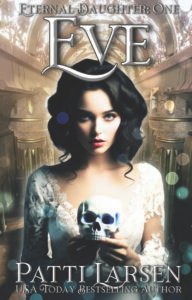
In Eve: Eternal Daughter, the author masterfully intertwines themes of identity, legacy, and resilience within a rich fantasy setting. Eve’s journey of self-discovery is both compelling and relatable, drawing readers into her world of magic, adventure, and profound emotional depth. The vivid character development and lush world-building create an immersive experience, leaving readers eager for the next installment. This captivating start promises an exhilarating series ahead. Highly recommended for fantasy lovers!.